
Colombia’s Food Inflation Crisis: A Pressing Issue for Families
Current State of Food Prices
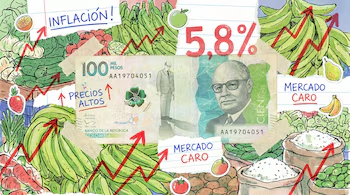
As of February 2026, Colombia ranks alarmingly high among OECD countries for food inflation, registering a spike of 5.8% compared to the previous year. This rate surpasses the OECD average of 4.0%, indicating that Colombians are feeling the brunt of rising food costs significantly more than residents of other developed nations. This trend, documented by the Organization for Economic Cooperation and Development, highlights a persistent issue affecting household budgets across the nation.
Comparative Analysis
In this competitive landscape, only Türkiye and Estonia have higher food inflation rates, with Türkiye soaring to an astonishing 36.4%. Comparatively, Estonia follows closely with 8.0%, showcasing that Colombia’s inflation is part of a worrisome international trend. Other OECD members, like Iceland and Greece, also face rising costs, but not to the extent seen in Colombia.
Impact on Households
The difference in food inflation affects families unequally. Lower-income households allocate a larger portion of their budgets to food, making them particularly vulnerable to price hikes. As food prices increase, these families face difficult choices—sacrificing nutritional quality or reducing the quantity of food purchased. In contrast, higher-income families can absorb these costs more easily, further widening the gap in economic stability within the nation.
Economic Implications
The persistent rise in food inflation poses significant challenges for monetary policy in Colombia. The Bank of the Republic must consider food prices when deciding on interest rates. High food costs can delay the reduction of headline inflation, complicating efforts to make loans cheaper and stimulate economic growth. The current environment necessitates careful monitoring and might limit the bank’s ability to lower interest rates effectively.
External Influences
Several factors contribute to the current inflation scenario. Global events, such as conflicts affecting fertilizer prices, exacerbate Colombia’s reliance on food imports, making its internal market susceptible to fluctuations in international prices and exchange rates. Such dependencies expose Colombian consumers to volatile market conditions beyond their control.
A Comparative Global Perspective
Interestingly, not all OECD nations are grappling with food inflation. Costa Rica recorded a -8.3% drop in food prices, contrasting sharply with Colombia’s persistent increases. This disparity points to varying agricultural circumstances, government policies, and global economic conditions that shape food affordability across different regions.
Conclusion
In summary, the rise in food prices in Colombia reflects broader global economic challenges, but it hits lower-income households the hardest. As families navigate this crisis, it’s essential for policymakers to find sustainable solutions that ensure food security and economic resilience for all Colombians. The pressures of food inflation are not merely numbers; they represent real struggles faced daily by families striving to make ends meet. Addressing this issue is crucial not only for individual health and well-being but also for the overall stability and prosperity of the country.