
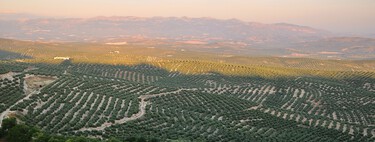
The Paradox of the Olive Grove in Spain
Recent headlines paint a bleak picture of the olive grove in Spain, citing issues such as solar panel installations that threaten olive trees, widespread expropriations in Jaén, and dire forecasts suggesting Spain may have to import olive oil. On the surface, it seems like the olive grove is facing a catastrophic decline. However, a closer examination of the data tells a contrasting story.
Growth Amidst Adversity
Contrary to the gloomy narratives, data from Datadista indicates that the olive cultivation area in Spain has consistently expanded over the past decade. The only exception was a minor decline of 0.08% in 2022, which has already rebounded in 2023. Thus, it’s evident: the olive grove continues to grow.
However, this growth is not without its complications. The increase in cultivated area primarily favors irrigated land over traditional dry land. As super-intensive olive tree farming expands, land previously used for cereals and cotton is being transformed, often leaving local farmers vulnerable.
A Changing Landscape
The story of the olive grove isn’t about its demise; rather, it’s about rapid transformation. Investments are increasingly concentrated in water-rich regions, resulting in a landscape that may soon look unrecognizable. It marks a departure from traditional olive farming, emphasizing efficiency over heritage.
Analyzing the Data
The provisional data from the Survey on Crop Areas and Yields (ESYRCE) 2025, conducted by Spain’s Ministry of Agriculture, indicates that the area under olive cultivation has reached 2,873,396 hectares—an increase of 1.63% from 2024 and 5% from 2015. This growth is noteworthy, particularly because olive tree cultivation is now the largest irrigated area in the country.
What’s Driving Change?
The shift towards irrigated olive groves stems primarily from the need for stability. Irrigated trees are perceived as more resilient compared to their dry counterparts. If feasible, stakeholders might opt for a fully irrigated olive farming landscape overnight. Yet, one must ponder why this rapid transition is occurring now.
A February 2026 report from Datadista highlighted investment funds as a significant influence. Over the last decade, the number of such funds involved in Iberian agribusiness has soared from 45 to 1,000, leading to a tripling of investments. This influx is facilitating the conversion of traditional layering into super-intensive olive farming.
The Self-Feeding Cycle
The rise in super-intensive irrigated olive groves reduces supply volatility and stabilizes prices. Consequently, it makes the sector more appealing to investors, which, in turn, ensures a more secure future for olive oil production. Yet, this comes at the expense of traditional farming practices, as the landscape evolves to meet modern demands.
Conclusion
The olive grove in Spain is in a unique state of transformation—growing in size but changing form. While challenges abound, the allure of investment and efficiency continues to reshape this iconic sector. The future of Spanish olive oil may be secure, though it risks losing its traditional essence in the process.
Image Credit: Vasilis Caravitis