
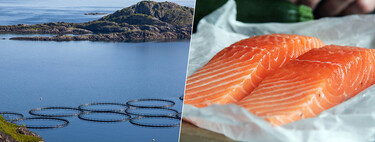
Salmon Production: A Disturbing Reality
Last year, global production of farmed Atlantic salmon reached an astonishing 3.12 million tonnes. This staggering figure is 8,000 times greater than the catch of wild salmon. As aquaculture continues to thrive, wild salmon face a grim reality.
Declining Wild Salmon Populations
This decline is not confined to the cold waters of the Norwegian fjords. In 2024, Spain reported a mere 130 wild salmon captured—a shocking all-time low since monitoring began in the Asturian rivers in 1949. The situation shows no signs of improvement, leading experts to predict an even steeper decline.
The Deteriorating Conditions
Why is this trend likely to worsen? The reasons are multifaceted. Many assume that the issue revolves around a lack of attention and care for wild habitats. However, as aquaculture diminishes the reliance on wild catches, there is less incentive to preserve their natural environments, leading to further decline.
The Impact of Aquaculture on Wild Salmon
Unfortunately, the situation is worse than it appears. Current dynamics in aquaculture are undermining wild salmon populations. Three principal issues contribute to this decline:
- Hybrid salmon escapes from farms are breeding with wild salmon, resulting in genetic complications that hamper survival.
- The spread of sea lice, a parasite that flourishes in high-density fish environments, leads to further health problems in wild populations.
- Moreover, the demand for forage fish to feed farmed salmon depletes resources that other marine species depend on.
Visible Consequences of Decline
The effects of this crisis are evident. For instance, the salmon season in Asturias began two weeks later than usual, with the first campanu recorded as the latest in history.
In Norway, wild salmon numbers dropped to just 323,000 in 2024, down from 481,463 the previous year. Consequently, fishing was banned in 42 rivers and three fjords. Scotland paints a similarly bleak picture, with wild salmon populations decreasing by 80% since the 1970s.
Beyond Aquaculture: A Global Issue
Is aquaculture the sole contributor to this decline? Not entirely. The challenges facing wild salmon are also linked to broader issues like climate change and disruptions in the food chain. Unfortunately, efforts to repopulate wild salmon have often led to counterproductive outcomes, diminishing genetic diversity and making the species even more vulnerable.
As we examine the future of salmon, it’s essential to acknowledge not only the staggering numbers of farmed salmon but also the alarming realities that threaten their wild counterparts. To ensure these vital species survive, we must take action now.
Image | Bruce Warrington