
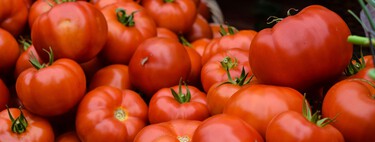
The Dilemma Facing Farmers: Throwing Away Harvests
“I’d rather throw away the harvest than pay us 80 cents per kilo of tomatoes.” This poignant statement from Riojan farmer Clara Sarramián encapsulates the frustrating landscape of agriculture today. In a recent interview, she elucidated the struggles faced by farmers, especially with rising costs and diminishing returns.
Understanding the Farmers’ Complaints
Sarramián’s perspective isn’t unique; many farmers echo her sentiments. “They wanted to pay me half as much as the previous year. I preferred to throw it away,” she stated. This dismissal of lower payments raises an important question: Are these farmers justified in their complaints?
Data shows that the commercial margin in the tomato industry is exceedingly high—reaching 81.1% in 2025—indicating a substantial gap between what producers receive and what consumers pay. A 2020 study from the Institut Cerdà revealed that the total cost of growing tomatoes was 0.61 euros per kilo, while producers received only 0.57 euros per kilo. This imbalance has only worsened in the aftermath of global events like the Ukraine war.
A Troubling Business Model
From a business perspective, tomato farming seems untenable. Regulatory efforts designed to mitigate these challenges have often fallen through. External pressures, particularly from international competition such as Moroccan tomatoes, further complicate matters. Major players in the market, being conglomerates with investments on both sides of the Strait, add a layer of complexity to an already fragile system.
Implications for Consumers
As consumers, we must ask ourselves why this matter should concern us. Despite paying the highest prices for tomatoes in the last decade—yet hearing farmers declare it unprofitable to harvest—the situation reveals systemic flaws more than individual failures. It is indeed a paradox: we enjoy the luxury of fresh tomatoes while the very people growing them find it economically unfeasible to continue.
The Economics Behind Choosing to Waste
Some might argue that throwing away a harvest seems counterproductive—after all, wouldn’t even a fraction of the payment cover some of the costs? Allowing part of the harvest to be lost prevents market prices from crashing further, a strategy that farmers have historically adopted with crops like lemons and bananas. This might seem illogical but is rooted in economic survival.
Looking Forward: The Future of Agriculture
As we approach key negotiations effecting agricultural policies post-2027, the focus should not just rest on the immediate issues of why farmers are discarding their tomatoes. Instead, we need to consider how to sustain a vital industry that supports the rural economy, particularly in regions prone to depopulation.
Ultimately, the real question is how to reshape this industry to ensure its viability for future generations, lest we lose one of the cornerstones of the Spanish economy.
Image Credit: Rachel Clark