
## The Loneliest House in the World: A Closer Look
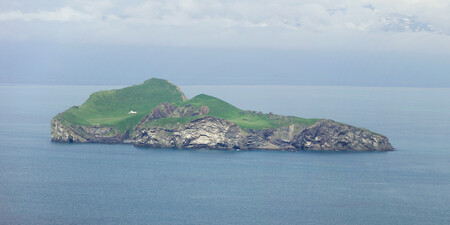
In the North Atlantic Ocean, off the southern coast of Iceland, stands a solitary building often referred to as “the loneliest house in the world.” This small, white house is perched on a rocky outcrop, surrounded by vibrant green grass, towering cliffs, and a rough sea, all backed by majestic snow-capped mountains. While it may seem like a picturesque fantasy, this house and the island it resides on, Elliðaey, are very real.
### A Mythical Reputation
Legends abound surrounding this isolated house. Some claim that the famous Icelandic singer Björk once lived there, or that it served as a refuge for a religious hermit. Others imagined it as a billionaire’s retreat from a potential zombie apocalypse. Although these stories add to its allure, they are all untrue. In reality, the house is a modest hunting lodge, built in 1953, now mainly a relic of the past.
### History of Elliðaey
Technically, the building is a hunting lodge constructed by the Elliðaey Hunting Association to provide shelter during puffin hunting seasons. Puffins are colorful seabirds that nest in the region, making the lodge a significant place for hunting enthusiasts. In a 2017 video, Icelandic explorer Bjarni Sigurdsson documented the lodge’s sparse interior, featuring basic amenities like bunk beds, a kitchen, and even a sauna—reflecting its simple yet functional purpose.
### The Lodge’s Features
The hunting lodge lacks modern conveniences such as electricity, running water, and internet access. Water is gathered through a rainwater collection system, and propane gas provides energy. It also has a sauna, a beloved feature for those who endure the harsh polar winds typical of the Atlantic climate. An older, smaller structure exists on the island, likely used as a storage facility by research teams.
### Geography and Accessibility
Elliðaey is the northeasternmost island of the Vestmannaeyjar archipelago, located about eight kilometers off Iceland’s south coast. This archipelago is comprised of 18 volcanic islets and is geologically young, formed within the last 12,000 years. Despite its small size—similar to the Vatican—Elliðaey’s steep cliffs and lack of docking areas render it difficult to access. Visitors must jump from a boat and climb to reach the lodge, a detail that adds to its mystique and allure.
### A Forgotten Past
While currently uninhabited, Elliðaey hasn’t always been empty. Historical records indicate that fishing camps and small farms once thrived on the island, housing up to 17 people alongside livestock. This cycle of occupation eventually dwindled, leading to the construction of the hunting lodge in the 1950s as a response to the island’s uninhabited state.
### The Lodge Today
Today, the hunting lodge serves a dual purpose—it still functions as a hunting base for puffins, albeit a diminishing role due to declining puffin populations. With changes in ocean conditions, puffin hunting is becoming increasingly rare. As a result, the lodge has transformed from a practical hunting refuge to more of a tourist attraction, inviting curiosity for its unique solitude.
### Debunking Björk’s Connection
One of the most persistent myths is that Björk owns or resides in the cabin. This rumor was sparked by a statement from Iceland’s former Prime Minister, Davíð Oddsson, expressing a willingness to grant her a plot of land for a home. However, this Elliðaey is different from the one associated with the singer, and she politely declined the offer, wishing to avoid making her home a tourist destination.
In essence, while the “loneliest house in the world” captures our imagination, its unremarkable yet captivating backstory serves as a reminder of human resilience and nature’s beauty.