
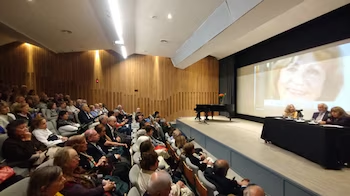
The Tribute to Olga Fernández Latour de Botas at CUDES
On April 7, the Institute of Culture at the University Study Center (CUDES) held a poignant tribute to the renowned folklorist, Olga Fernández Latour de Botas (1935-2025). The ceremony commenced with the soothing notes of “Zamba April 7,” the first recorded piece of its kind, celebrating its namesake date—a gesture that set a tone of reverence and nostalgia.
A Celebration of Argentine Heritage
The event not only saluted Olga’s legacy but also showcased the delicate beauty of Argentine Creole dances. Guests experienced a range of music styles, including various zambas and works co-authored by Olga and her colleague Raúl Chuliver. This celebration was co-organized with the National Folklore Academy, reminding attendees of the importance of Argentine popular culture and heritage. The backdrop of music served as a profound reminder of Olga’s contributions to “Argentineness.”
Academic and Cultural Legacy
Sergio Delgado, the executive director of CUDES, presented Olga’s tribute, marking the start of the current academic year with great respect. This institution not only offers diploma courses in national and universal culture but has also fostered a community of passionate learners from both Argentina and abroad for over fifteen years.
Olga Fernández Latour was more than a scholar; she was a luminary in folklore studies, following in the footsteps of renowned figures such as Carlos Vega and Rodolfo Kusch. Her extensive teaching career and authorship of over one hundred research papers positioned her as a leading authority in the field. A Doctor of Letters from the University of Salvador, she synthesized folklore, history, and philology into a cohesive academic identity.
Contributions to Folklore and Religion
Olga’s work encompassed the diverse aspects of folklorology, focusing on both material and intangible cultural heritage. Her deep Christian faith informed her extensive research, particularly her doctoral thesis on the Virgin Mary in Argentine folklore—an influential piece recognized by Cardinal Víctor Raúl Fernández.
Throughout her life, various political and cultural figures attended the tribute, commemorating the impact she left on Argentine society. Personal testimonies highlighted her multifaceted personality, revealing the warmth and depth of her character.
An Enduring Influence
In reflecting on Olga’s life, parallels were drawn to classic heroes such as Aeneas and Ulysses. Just as these figures symbolize the struggle for identity and belonging, Olga embodied the essence of Argentinity, uplifting the narrative of her homeland through folklore. Her legacy is characterized by a “patriotic piety”—a commitment to honoring the past while nurturing future generations.
Through her research, Olga Fernández Latour offered a melody of culture that continues to resonate, inviting others to engage deeply with their roots. Her life exemplified the importance of preserving and celebrating the cultural legacy of Argentina—a mission she undertook with unmatched passion and dedication.
In summary, Olga’s journey through Argentine folklore is a continuing song that sings praises of heritage and identity, inviting current and future generations to cherish their rich cultural tapestry.