
Protest for Justice: The Case of Karen Mariel
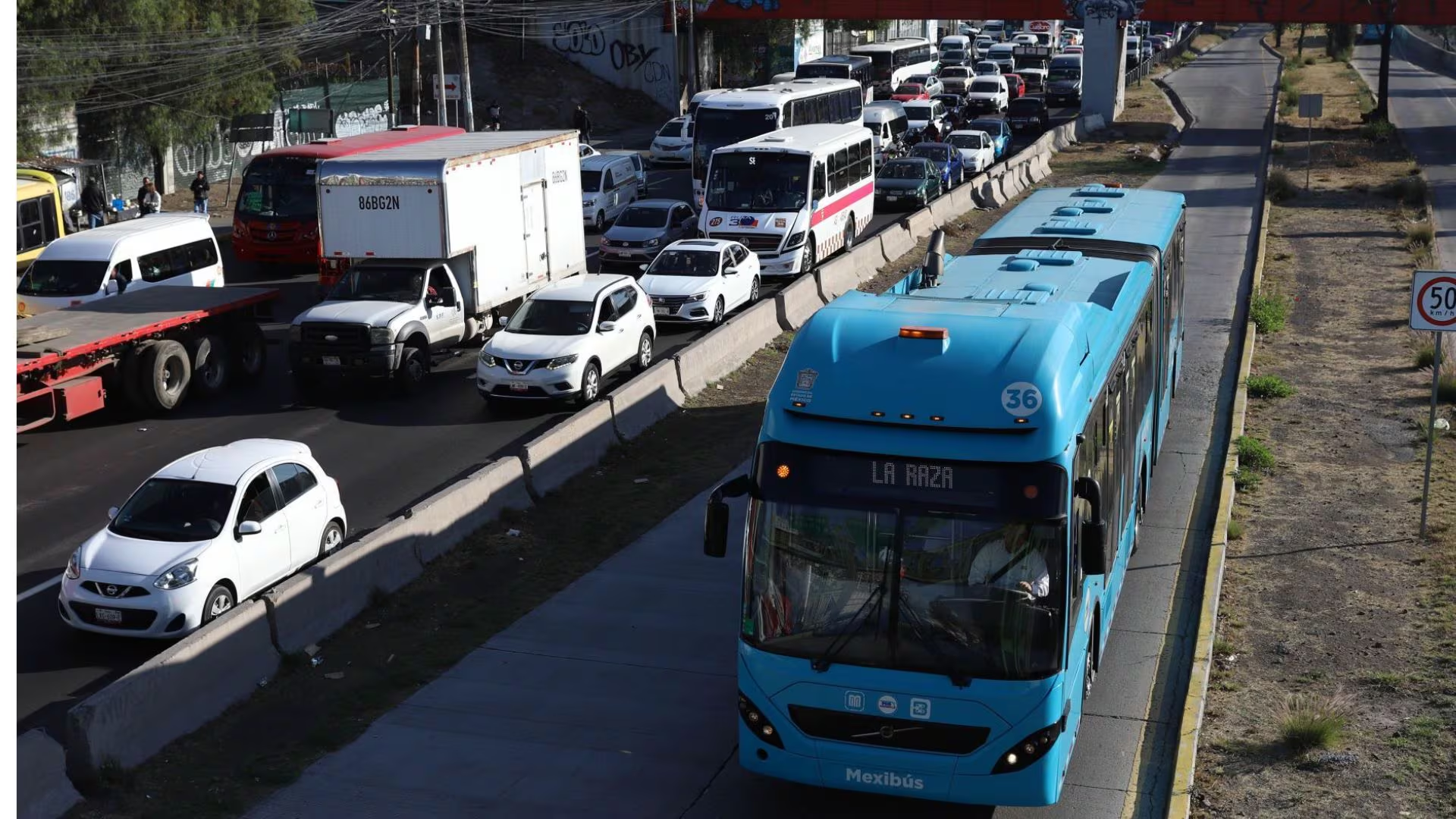
Relatives of Karen Mariel, a victim of suspected feminicide, have created significant road blockades at Eje Central and Izazaga in Mexico City. Their protests demand that authorities thoroughly investigate her death as a feminicide, raising awareness of the ongoing violence against women in the region. The situation has led to traffic disruption and urged many commuters to seek alternative routes.
Continued Blockades Affecting Major Highways
The blockade continues to affect the Naucalpan–Toluca Highway, with traffic restrictions noted in both directions. This disruption emphasizes the urgency of the relatives’ pleas for justice, shedding light on the broader issues of gender-based violence in the country.
In Naucalpan, bar workers have also joined the protest by blocking the Northern Peripheral heading south, intensifying the traffic turmoil throughout the area. Such united efforts by various groups reflect a growing frustration with government inaction regarding feminicide investigations.
Accidents and Traffic Warnings
Amid the protests, serious accidents have compounded the traffic challenges. A major accident was reported on the Mexican Exterior Circuit heading towards Puebla, with initial reports indicating a deceased individual. Motorists are urged to exercise caution, especially on Calz. Ignacio Zaragoza, which is experiencing several vehicle accidents, particularly in the Iztacalco mayor’s office area.
For those traveling in this region, authorities recommend using Axis 1 North as a possible alternative route to avoid the worst congestion.
Alternates and Emergency Services Response
Road alternatives are also suggested near Dr. Río de la Loza and Digna Ochoa y Plácido in the Cuauhtémoc mayor’s office, where protesters have gathered. Alternatives such as Axis 2 South and Paseo de la Reforma have reportedly experienced increased traffic but remain viable options for those needing to navigate around the blockades.
Emergency services have been deployed to various locations, including the Mexico-Cuernavaca Federal Highway, particularly around the February 5 area in San Andrés Totoltepec, Tlalpan. These emergency responses come in light of additional mishaps along the Interior Circuit, specifically at the Guadalupe Causeway in the Valle Gomez neighborhood.
The Broader Context of Femicide Awareness
These protests and road blockages are not just low-level disturbances; they symbolize a critical moment in society’s struggle against feminicides and gender violence. The tragic case of Karen Mariel has mobilized families and communities to demand accountability and action from law enforcement agencies.
As the protests grow, they serve as a reminder of the persistent danger women face in Mexico and underline the necessity for systemic change and adequate protections for women. For those traveling through affected areas, staying informed about current road conditions and potential delays can help manage disruptions. The call for justice—amplified by the relatives of victims—is an essential part of this complex societal dialogue.