
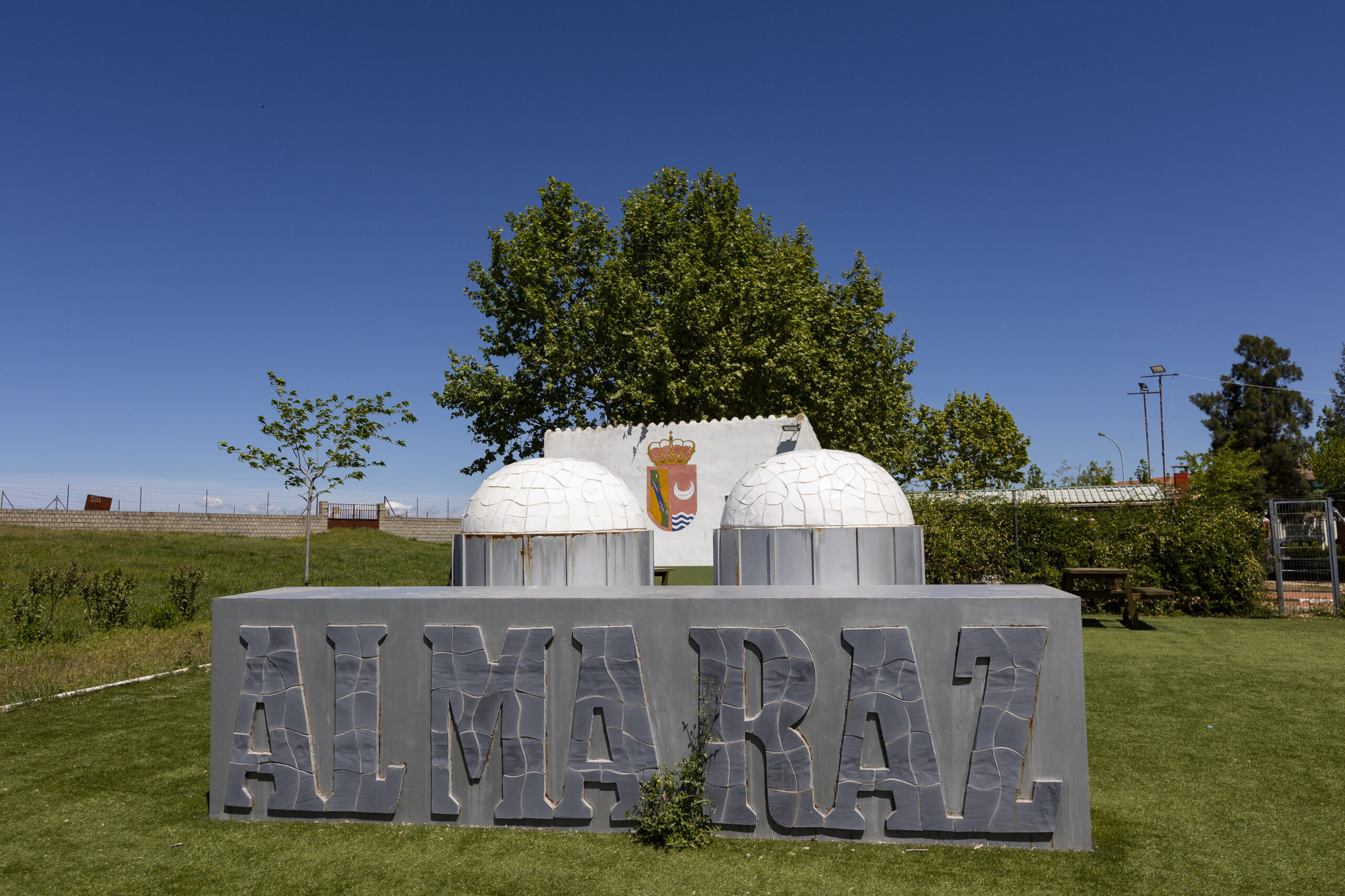
The Legacy of Almaraz: A Family’s Connection to Nuclear Energy
A Proud History
In the home of Eduardo Navas, a 43-year-old supervisor at the Almaraz Nuclear Power Plant, a small model of the facility rests prominently. When his daughter walks by, she excitedly points it out, saying, “Look, Dad, your job!” This innocent remark encapsulates a family’s deep-rooted history in the energy sector. Eduardo’s brother, Alberto, also works at the plant as an operations supervisor. Their father, Ciriaco Navas, has been part of this legacy since 1976, when he helped build the plant that supplies 2-3% of Spain’s electricity.
A Dream for the Future
Retired since 2017, Ciriaco still dreams about the future of his family. He expressed a heartfelt wish: “I would love for my granddaughters to work at the plant.” However, the reality of government mandates looms over this hope, as the countdown to the plant’s closure threatens their familial legacy.
Current Operations and Challenges
As the Navas brothers oversee the 31st refueling of Unit I, they face the grim possibility that it may be the last before the plant’s final shutdown, scheduled for November 1, 2027, and October 31, 2028. The operational heart of the plant is a complex system: water reaching temperatures of up to 307°C circulates through turbines powered by a 160-ton rotor spinning at lightning speed.
With imminent closure on the horizon, the urgency to maximize production has intensified. The scheduled refueling requires halting the reactor for 38 days, a process that also involves extensive inspections that can’t occur while the plant is operational. This colossal undertaking temporarily boosts the workforce from 2,000 to an astounding 3,200 workers, turning the site into a small city.
Investment Amid Uncertainty
Contrary to expectations of immediate dismantling, the Almaraz plant continues to invest significantly in operations. Antonio Calero, the head of technical support, confirmed recent spending, stating, “We have removed the rotor and are re-casting the alternator of Unit I—an investment of three million euros. If we believed this was the last refueling, we wouldn’t have undertaken this activity.”
The Countdown has Begun
Antonio González, the technical director of the Nuclear Forum, underscores the urgency: “There’s a critical date coming up on October 31, which may affect both the continuation of operations and potential dismantling activities.”
In a challenging economic climate, the plants’ owners—Iberdrola, Endesa, and Naturgy—have petitioned to extend operations to June 2030. Approval from the Ministry for Ecological Transition is pending, but the future remains uncertain.
Community Impact
The local community feels the weight of this impending closure. Francisco Peco Royo, who runs Covirán supermarket and is known as “the village’s baker,” highlights the closures effect: “This situation is tragic for not just us, but for my four employees as well.”
The Almaraz plant created a vibrant community life, evident in Eduardo and Alberto’s memories of Christmas celebrations organized by the company, where employees dressed as the Three Wise Men. The plant has served as a nucleus for their upbringing and professional lives.
A Personal Commitment
Both brothers’ ties to Almaraz shaped their careers. Eduardo started his nuclear journey at 18 under Ciriaco’s supervision and returned to the plant in 2009. Alberto followed suit after gaining experience and obtaining the necessary certifications.
Today, all three continue to live in Navalmoral de la Mata, the nearby town that thrives on the plant’s business. Eduardo has considered leaving if the plant closes, reflecting a common sentiment of uncertainty among local workers.
Optimism Amid Doubts
During a reflective walk through Almaraz, Ciriaco remains hopeful. “I’m convinced nothing will close,” he states, despite the looming changes. He contrasts the town’s transformation from a modest settlement to an area filled with family homes.
As the countdown to potential closure ticks away, the Navas family and the community face an uncertain future. Their legacy at Almaraz is one not only of work but also of familial pride, deeply intertwined with the fabric of the region, which now faces a daunting transition.
Conclusion
As Almaraz approaches its critical operational dates, it stands as a testament to both a family’s commitment to nuclear energy and the broader implications of energy policy on local communities. The hope for future generations to find their place in this legacy hangs in the balance.