
Recent Attack on Oil Tanker in the Strait of Hormuz
Overview of the Incident
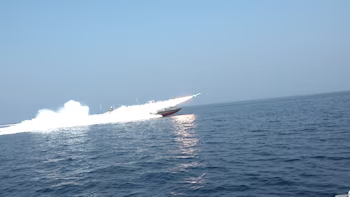
A troubling armed incident occurred over the weekend in the Strait of Hormuz, a vital global energy passage. Reports from the UK Maritime Trade Operations Center (UKMTO) indicate that the Iranian Revolutionary Guard engaged an oil tanker, opening fire from two speedboats without any prior warning. The incident happened approximately 37 kilometers northeast of Oman. Fortunately, there were no injuries or damage reported to the tanker or its crew, although the UKMTO has initiated an investigation into this alarming event.
Tensions in the Strait of Hormuz
The Strait of Hormuz is crucial for international energy supply, responsible for the transit of about 20% of the world’s oil. The recent attack is emblematic of the escalating volatility in the region, with the Iranian regime intensifying control over shipping routes in response to U.S.-imposed sanctions. The situation has generated significant global concern regarding the safety and security of these major energy corridors.
The captain involved in the incident reported an abrupt encounter with the Iranian vessels, which fired shots directly at the vessel’s hull. Despite the tense confrontation, both the ship and crew were reported safe and the authorities are cooperating to unravel the details surrounding the incident.
Iran’s Heightened Military Presence
Following the attack, Lieutenant Colonel Ebrahim Zolfagari from Iran’s military stated that authorities have reinstituted strict controls over the Strait of Hormuz, designating specific routes for maritime transit that require Iranian approval. This meticulous management directly influences the international flow of hydrocarbons and raises serious implications for global oil markets.
The Iranian parliament’s speaker, Mohamad Baqer Qalibaf, has made it clear that the strait will not remain accessible if U.S. sanctions continue, underscoring the precarious balance of tensions between Tehran and Washington. Qalibaf, who recently represented Iran in talks with the United States, directly refuted comments made by U.S. leaders regarding the maritime situation.
Regional and Global Implications
The Iranian government remains firm in its position. Ismail Bagaei, a spokesman for the Iranian Ministry of Foreign Affairs, dismissed U.S. proposals to remove enriched uranium, reinforcing Iran’s commitment to retaining its nuclear capabilities domestically despite international pressure.
Moreover, Supreme Leader Mojtaba Khamenei has publicly endorsed a readiness to fend off perceived threats. He reiterated that the navy stands prepared for potential skirmishes, heightening the already fraught atmosphere in the region.
Conclusion: A Fragile Maritime Landscape
The recent attack in the Strait of Hormuz isn’t just an isolated incident; it’s a reflection of escalating military tensions in the Middle East that threaten global energy security. The persistent tightening of Iranian control further complicates an already fragile trade environment, placing global hydrocarbon markets in jeopardy. As diplomatic channels remain strained, the international community watches closely, concerned about the broader ramifications of skirmishes in this critical waterway.
The geopolitical landscape may shift dramatically depending on the outcomes of ongoing negotiations and military maneuvers, making the Strait of Hormuz a focal point of global attention in the tumultuous climate between Iran and Western powers.