
The Changing Landscape of Octopus Fishing
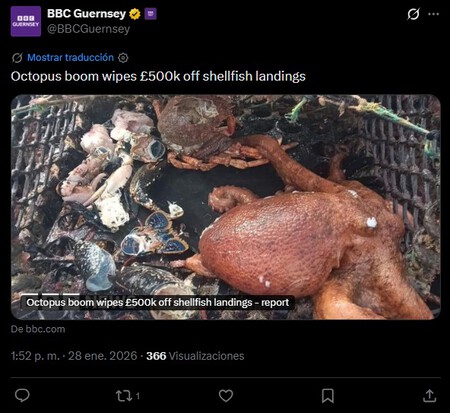
For decades, the Galician octopus has been a culinary treasure, synonymous with quality. However, recent developments are causing a seismic shift in this aquatic empire—turning eyes across the English Channel to the shores of the UK, where fishermen are encountering an unexpected surge of octopus populations. Initially greeted with skepticism, this phenomenon is now intriguing the fishing industry in England, raising questions about its implications for the famed Galician cephalopod.
Impact on Galicia’s Economy
The rise of octopus catches in the UK poses significant questions for Galicia, where octopus holds deep cultural and economic significance. Traditionally revered as a staple in Galician cuisine, the recent decline in local octopus captures has created a crisis. The region has experienced a steep drop in cephalopod catches, leading to mounting concern among local fishermen and businesses.
A Shift in the Octopus Map
The octopus landscape is shifting. Back in 2025, fishermen in southern England stumbled upon an unexpected bounty: octopuses appearing in pots originally designed for crabs and lobsters. This unexpected turn has caught the attention of major media outlets, including The New York Times, which reported on the surprising volatility in the octopus market. Fishermen in places like Brixham are experiencing a newfound wealth due to these catches, some noting it’s the first time in over 40 years that they’ve seen such octopus activity.
The Pros and Cons of the Octopus Boom
Mixed Reactions from Fishermen
The octopus invasion is a double-edged sword. While some fishermen celebrate the increased catch, others express concern about how these new arrivals are disrupting traditional shellfish fishing practices. Reports indicate that octopuses are interfering with pots used for crabs and lobsters, prompting alarm within the fishing community. Some policymakers have noted that this influx could harm local fishing economies.
Strategic Response from the UK
Recognizing the potential of this sudden octopus surge, the UK government is contemplating the establishment of a regulated octopus fishery. This initiative aims to capitalize on the situation, effectively positioning the UK as a new player in the lucrative octopus market, which is worth billions globally. The Marine Biological Association and Marine Management Organization are already considering collaborations with the EU to learn from existing fishing practices.
Galicia’s Challenges Ahead
Consumer Demand vs. Local Supply
Despite the exciting developments in the UK, the local Galician market is still struggling to meet its demand for octopus. Currently, only about 25% of the octopus consumed in Galicia comes from local waters. This shortfall leaves a significant gap filled by imports from countries like Morocco and Senegal. There is growing concern that the rise of UK octopus may further strain the market, affecting prices and availability.
Looking Forward
The future for both Galician and UK octopus industries lies in the balance. While local freshness may still give Galicia an edge, the entry of a new competitor on the scene raises important questions for the future of this beloved cephalopod. As the popularization of octopus grows in England, demand will likely increase, impacting both domestic and international market dynamics.
Time will tell how these shifts will reshape the octopus fishing landscape and what they mean for the future of Galicia’s treasured culinary practices.