
Sheinbaum Addresses Protestors Against the Wellness Pole in Puebla
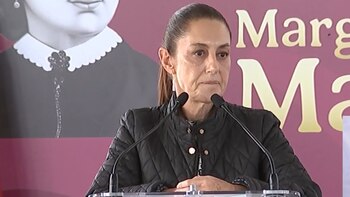
In a recent public address, President Claudia Sheinbaum confronted protesters who voiced their opposition to the Wellness Pole initiative during the launch of the “Housing for Wellbeing” program in San José Chiapa, Puebla. Her remarks aimed to question the alternatives presented by the dissenters, posing a thought-provoking question: “Do you prefer an open dump or a clean garbage recycler?”
Context of the Protests
Protests against government initiatives, especially those related to urban development and environmental impact, are not uncommon. The Wellness Pole is designed to transform waste into resources, potentially leading to improved waste management and environmental conditions in the region. However, many locals remain skeptical about the project’s execution and its perceived benefits.
Sheinbaum’s Response
In her response to the protesters, Sheinbaum emphasized the importance of choosing sustainable development over neglect. By using the analogy of an “open dump” versus a “clean garbage recycler,” she highlighted that even if there are concerns or flaws in the implementation, the overall goal is to foster a cleaner, more organized community. This line of argument seeks to shift the focus from opposition to constructive dialogue, encouraging those present to consider the broader implications of their stance.
The Broader Implications of the Wellness Pole
The Wellness Pole initiative is part of a larger strategy aimed at improving urban sustainability. While some residents may fear environmental degradation or disruptions, supporters argue it will create jobs, enhance local economies, and reduce pollution. Addressing community concerns head-on is crucial for the project’s success and acceptance.
Community Engagement and Future Conversations
Sheinbaum also noted her commitment to listening to the concerns of the citizens. True engagement entails understanding the fears and hopes of the community, which can be accomplished through open forums, discussions, and feedback opportunities. Moving forward, addressing these community concerns can help in refining the project and potentially creating a model for sustainable urban development in other regions.
Conclusion
The exchange between President Sheinbaum and the protesters reflects a pivotal moment in Puebla’s approach to urban sustainability and development. While the Wellness Pole project is not without its challenges, engaging with the community and challenging them to consider broader implications is an essential aspect of the political and social discourse. As the situation develops, it will be interesting to see how the dialogue continues and whether a compromise can be reached that satisfies both local interests and environmental goals.