
Taiwan is facing a critical situation as it has run out of helium and has only 11 days’ worth of liquefied natural gas (LNG) reserves left. This scarcity poses severe challenges for Taiwanese semiconductor manufacturers, prompting the Taiwan Semiconductor Industry Association (TSIA) to urge the government to establish a strategic reserve for these essential resources. The lack of helium and limited LNG supplies could disrupt production processes crucial to Taiwan’s semiconductor industry, which is a cornerstone of its economy.
The Root of the Problem
The ongoing conflict involving the US, Israel, and Iran has direct implications for Taiwan. A recent ceasefire agreement among these nations provides only temporary relief, yet the blockade of the Strait of Hormuz continues to hinder the supply chain for helium and LNG, materials essential to the operations of many Asian countries, including Taiwan. This vulnerability highlights how geopolitical tensions can adversely affect local industries.
The Fragile Supply Chain of Taiwan
Over 40% of Taiwan’s power plants utilize liquefied natural gas. For semiconductor factories, a consistent and reliable energy supply is non-negotiable for maintaining production. Moreover, helium is indispensable for various stages of the integrated circuit manufacturing process, and currently, Taiwan possesses no helium reserves. In contrast, countries like the US and Japan have established strategic inventories for these vital resources, raising the stakes for Taiwan’s semiconductor sector.
The production of cutting-edge chips places Taiwan in a significant geostrategic position.
The semiconductor industry is pivotal to Taiwan for several reasons. It contributes approximately 13% to 15% of the country’s GDP and represents around 40% of its total exports. Furthermore, the ability to produce high-tech chips grants Taiwan considerable geostrategic importance. Thus, it is critical for companies like TSMC and UMC to secure their supply chains adequately.
Diversifying Energy Sources
The TSIA has called on the Taiwanese government to diversify its energy sources. “We propose to the Government the need to continue diversifying our energy sources and the supply of critical materials to prepare for the uncertainty of the current situation,” stated the association. They have also supported reopening nuclear power plants to stabilize energy supply, provided safety and legal considerations are met.
Future Outlook
Despite the recent ceasefire, the fragility of Taiwan’s supply chain remains a pressing concern. The closure of the last nuclear power plant in May 2025 has increased Taiwan’s dependency on imported resources, with over 95% of its electricity now coming from outside the island. The semiconductor industry is too significant to be vulnerable to international fluctuations, requiring immediate attention and long-term planning to secure Hawaiians’ energy and resource needs effectively.
In light of these developments, Taiwan must urgently establish a strategic reserve for helium and liquefied natural gas to mitigate risks and secure the future of its semiconductor industry.
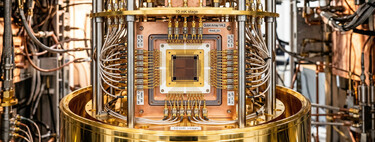
Image | Generated by Xataka with Gemini
More information | Nikkei Asia
In Xataka | We already know what the chips that will arrive until 2039 will be like. The machine that will allow them to be manufactured is close.