
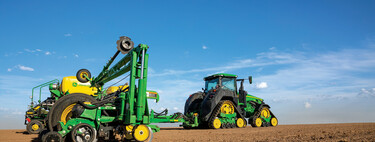
The Right to Repair: John Deere’s $99 Million Settlement
A modern tractor functions as a computer on wheels, equipped with GPS, sensors, telemetry, and proprietary software. Despite their high costs, farmers have not been able to claim true ownership. Recently, John Deere, a leading name in agricultural machinery, has agreed to pay $99 million to settle a class action lawsuit in the United States. This lawsuit accused the company of monopolizing repair services, leaving thousands of farmers reliant on authorized workshops that often impose inflated prices and excessive waiting times.
Why This Settlement Matters
This settlement is more than just a financial compensation; it symbolizes a broader struggle surrounding the right to repair. This ongoing battle extends beyond tractors, touching devices like smartphones, cars, appliances, and gaming consoles. When manufacturers restrict access to essential repair tools or diagnostic software, ownership becomes an illusion. What John Deere has done with its tractors mirrors similar practices by companies like Apple and Tesla.
Background of the Lawsuit
The lawsuit was initiated in 2022 when farmers claimed that Deere intentionally limited access to diagnostic software, compelling them to seek expensive repairs from dealerships. Although John Deere has not admitted any wrongdoing, they have agreed to several significant changes to reconcile the situation:
- Establish a $99 million fund to compensate affected farmers who have faced steep repair costs since 2018.
- Permit farmers and independent workshops access to the diagnostic tools previously restricted to authorized dealers.
- Allow diagnostics and reprogramming in offline mode by the end of 2026.
Financial Implications
Interestingly, the $99 million figure is a calculated move. By stopping short of $100 million, Deere employs a psychological strategy to make the settlement appear less severe in headlines. However, estimates suggest that overpricing in repairs may have already cost farmers between $190 million and $387 million, with total damages potentially spiraling to $4.2 billion.
Distribution of Funds
The compensation fund is set to be divided among approximately 200,000 farmers, which means that individual payouts will be relatively modest, likely under $500 each. While this might offer some immediate relief, it does little to address the underlying issues of monopolistic practices and inflated repair costs that farmers have faced for years.
Short-Term Solutions and Long-Term Concerns
Though John Deere has made commitments to improve access to repair tools, these changes are limited to a 10-year period. Beyond that timeframe, there’s nothing to prevent the company from reinstating restrictions, leaving farmers vulnerable once again.
Moreover, the Federal Trade Commission (FTC) is currently pursuing another lawsuit against Deere, following similar patterns of behavior. This situation suggests that this saga is far from over and indicates that more chapters will continue to unfold.
The Broader Implications
This ruling regarding tractors is an early indicator of a larger issue that could redefine what it means to own a product in the digital age. The same principles apply to electric cars, smart home devices, and any technology reliant on software. As the legal and regulatory landscapes evolve, the outcomes in the case of John Deere will likely influence ownership definitions in both the U.S. and Europe.
Conclusion
What has transpired with John Deere highlights the urgent need for reform in consumer rights and the right to repair. As technology continues to advance, the question of ownership versus user permissions becomes increasingly critical. This case may serve as a pivotal moment that could influence how manufacturers engage with their customers for generations to come.