
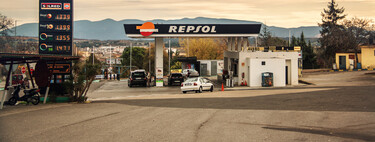
Fuel Prices in Spain: A Bargain for French Drivers
In major cities like Madrid and Barcelona, the price of diesel has recently been recorded at €1.94 per liter, while gasoline hovers around €1.60. While these figures seem exorbitant when compared to previous months, particularly before the geopolitical tensions ignited by the U.S.-Iran conflict, they represent a relative bargain for many French motorists. This heightens the appeal of Spain’s fuel prices amidst the current European landscape.
The French Case: Skyrocketing Prices
France is notorious for its aggressive taxation policies on fuel, which have pushed prices well beyond €2.30 per liter. A worrying statistic surfaced this week: 12% of French gas stations reportedly ran out of fuel. The situation worsened as TotalEnergies set a cap at €1.99 per liter for gasoline and €2.09 for diesel. This temporary measure exacerbated the fuel scarcity within hours, leaving many drivers scrambling for options.
Spanish Fuel: The Solution for French Drivers
In light of the skyrocketing prices in France, many transport professionals and everyday drivers living near the border are once again resorting to a long-favored practice: refueling in Spain. The price difference can be as acute as €1 per liter, which has resulted in a significant influx of French drivers at lower-cost stations such as Easygas in Guipúzcoa.
The regulations allow individuals to transport up to 60 liters of gasoline per container, totaling as much as 240 liters. This has prompted many to fill drums and jugs as they make their way to the Spanish pumps. Clearly, for these French drivers, the reward is worth the effort.
Europe’s Mixed Response
Despite Spain being an anomaly in this pricing war, the overall fuel situation in Europe remains precarious. The European Commission has issued warnings to Spain concerning the VAT on fuel, which currently stands at 21%, urging adjustments that could prevent possible sanctions. Treasury sources argue that their measures are “temporary and not structural,” emphasizing the need to support families and businesses affected by the energy crisis linked to the ongoing conflict.
The Broader European Landscape
Countries like Spain, Croatia, Hungary, and Germany are employing various strategies to manage fuel prices, whether through tax reductions or price caps. In contrast, the French government has opted for a hands-off approach, allowing market forces to dictate prices. This lack of intervention has led to some of the highest fuel prices in Europe, dictating a challenging landscape for French motorists.
Conclusion
With the current fuel pricing dynamics, Spain has become a haven for French drivers willing to cross borders for lower fuel costs. The crisis highlights broader discussions around fuel tax policies in Europe and the subsequent economic implications for families and businesses. As these trends continue, the contrasting approaches of European nations will likely remain a focal point in fuel price discussions.