
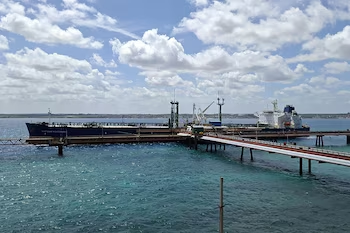
The Anatoli Kolodkin’s Mission to Cuba
The recent voyage of the Russian oil tanker ‘Anatoli Kolodkin’ marks a significant event in the ongoing energy crisis faced by Cuba. This strategic delivery, which involved 100,000 tons of crude oil, was part of Russia’s efforts to help alleviate the pressures of the U.S.-imposed embargo on the island nation. The ship departed from Matanzas Bay on a Saturday after a successful unload operation that the Cuba-Petroleum Union (Cupet) confirmed took 96 hours.
Operational Efficiency in Delivery
The operation was characterized by its smooth execution, with Cupet stating that the transfer was completed “in an automated manner and without setbacks.” This suggests a high level of organization and preparedness, crucial for ensuring that Cuba could replenish its energy resources effectively amidst increasing energy shortages. The arrival of the tanker on March 30 came at a time when the island was grappling with severe energy constraints, a situation aggravated by external political pressures.
Geopolitical Implications of Oil Deliveries
The delivery of Russian oil to Cuba is more than just a logistical operation; it reflects broader geopolitical dynamics. The ongoing U.S. blockade aimed at isolating Cuba continues to impact its economy, particularly in energy supply chains. By sending the Anatoli Kolodkin, Russia underscores its commitment to maintaining allyship with Cuba, potentially countering U.S. influence in the region.
Historical Context of Russian-Cuban Relations
Russia and Cuba have a long-standing relationship that dates back to the Soviet era. This connection has evolved but remains significant, especially in times of economic hardship. Russia’s provision of oil not only aids in addressing immediate needs but also strengthens bilateral ties and reinforces a counterweight to U.S. policies affecting both nations. This recent shipment serves as a reminder of the historical alliances formed during the Cold War and how they continue to shape current geopolitical realities.
Looking Forward: The Future of Cuban Energy
The arrival of the Anatoli Kolodkin represents a temporary relief for Cuba, but the question remains: How sustainable is this support? As global energy dynamics change, the need for Cuba to diversify its energy sources and reduce dependency on any single nation will be crucial. Future collaborations with Russia and other partners may be essential for establishing a more resilient energy infrastructure.
Cuba must navigate its energy policies carefully, balancing immediate needs with long-term sustainability goals. As international relationships shift, the future of its energy supply will be central to its political and economic stability.