
Italian Football’s Troubling Landscape
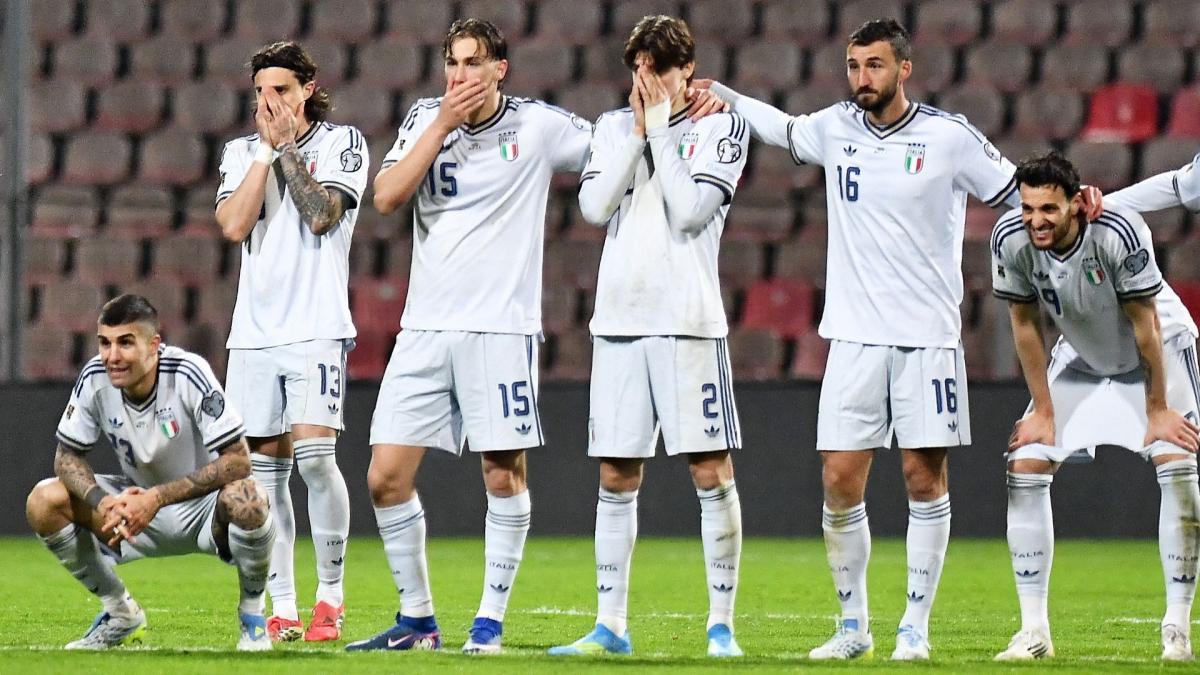
Italian football finds itself in a challenging predicament, with disheartening news emerging from both club competitions and the national team. Bologna stands as the lone beacon of hope, competing against Aston Villa in the Europa League quarter-finals, while the Italian national team—affectionately known as the Nazionale—faces a grim reality. Following a penalty loss to Bosnia, Italy will now miss its second consecutive World Cup, marking a staggering sixteen years without a presence on football’s biggest stage.
The Stakes for Euro 2032
As Italy grapples with its footballing woes, a major event looms on the horizon: Euro 2032. Scheduled to take place in Italy and Turkey, this tournament represents a golden opportunity for Italian football to reclaim its stature. However, the successful hosting of the event is contingent upon the improvement of the nation’s football infrastructure. Despite the excitement surrounding Euro 2032, a lack of quality facilities could jeopardize Italy’s role as a host.
Ceferin’s Strong Warning
After Italy’s recent elimination, UEFA President Aleksander Čeferin did not hold back in highlighting the country’s infrastructural shortcomings. In an interview with the Gazzetta dello Sport, he stated, “the elimination is absolutely not the fault of Gabriele (Gravina, president of the Italian federation), and I would never dare to attack either the players or the coach. Italian politicians should perhaps ask themselves why Italy has one of the worst football infrastructures in Europe.”
This statement underscores a critical issue: the intersection of football politics and general governance in Italy has stymied progress in upgrading stadiums and facilities. The question remains—will Italian authorities take Čeferin’s warnings seriously?
Infrastructure Concerns
Čeferin’s remarks serve as a stark reminder that without significant advancements, Italy may lose the opportunity to host Euro 2032. “I hope the infrastructure will be ready; otherwise, the tournament will not take place in Italy,” he warned. The UEFA has laid out a timeline where ten stadiums—five in Turkey and five in Italy—must be selected by October 2026. Acclaimed venues like the San Nicola Stadium in Bari, Diego Armando Maradona Stadium in Naples, and the iconic San Siro in Milan require urgent refurbishment to meet the standards expected for such a prestigious tournament.
Unfortunately, only Juventus Stadium currently meets the necessary criteria, while the modernization efforts at San Siro may fall short. This raises the red flag that without action, the tournament may be at risk, and Italy’s aspirations of international football glory could face even further setbacks.
A Call for Change
The clock is ticking, and if Italian politicians and football leaders fail to act swiftly, the current trajectory indicates a disheartening future for the nation’s football ambitions. Ceferin’s comments reveal a larger sentiment: the time for reformation and commitment to football infrastructure in Italy is now.
Italy’s football community must rally together, not only to improve facilities but to revitalize the game itself. If the right changes are made, Italy could well return to its place among the footballing elite and once again raise the trophy that symbolizes European football excellence.
In conclusion, the road to Euro 2032 offers both promise and peril for Italy. It is now up to those at the helm of Italian football to ensure this opportunity is realized, lest the ominous clouds of missed chances loom ever larger over the beautiful game in this historic nation.