
The Real Cost of Delivery Delays in Air Cargo
In logistics, timing is often more critical than price. A delayed shipment can stop production, postpone product launches, or lead to missed contractual deadlines.
In time-sensitive logistics, companies often work with specialized providers such as AC Global Services DWC-LLC to manage urgent shipments and reduce the impact of delays.
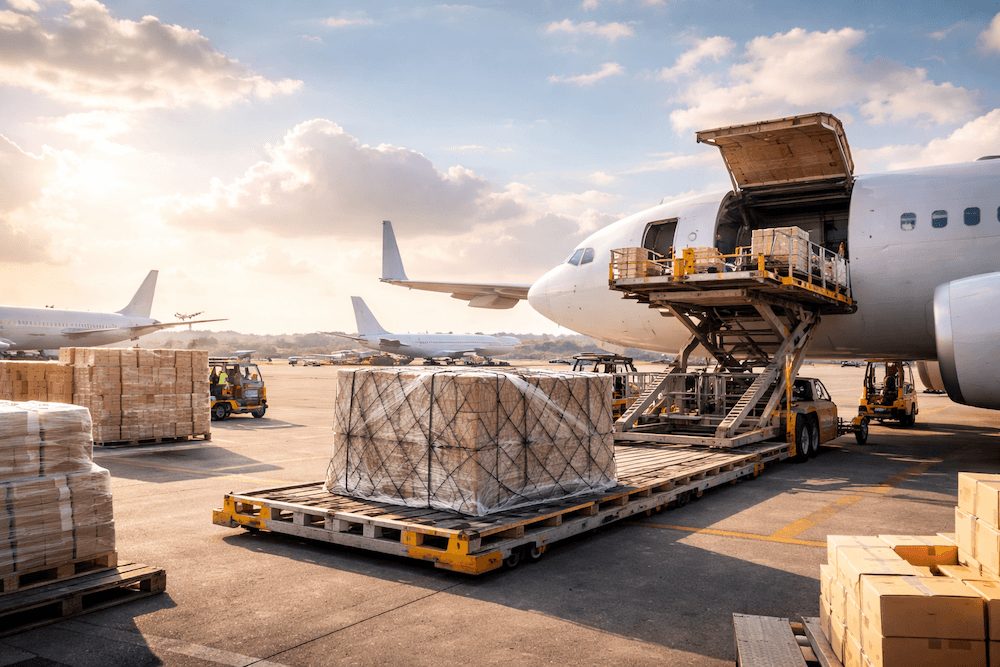
Air cargo plays a key role in this system. Although it handles a relatively small share of global cargo by volume, it carries a significant portion of high-value goods. These include electronics, pharmaceuticals, and industrial components, where timing directly affects business outcomes.
Even a short delay in such shipments can lead to serious financial consequences.
Why Businesses Pay More to Avoid Greater Losses
Air freight is often considered expensive compared to other transport modes. However, this comparison does not account for the cost of disruption.
For example, if a critical component does not arrive on time, an entire production line may stop. In industries such as manufacturing or aviation, downtime can cost thousands or even hundreds of thousands of dollars per hour.
In such situations, paying more for faster delivery becomes a rational decision. The goal is not to save on transport, but to avoid larger losses.
Air cargo also offers greater flexibility. Routes can be adjusted, shipments can be prioritized, and delivery times can be controlled more precisely than in many other logistics models.
Hidden Costs of Delayed Air Freight
Production downtime
A single missing part can halt operations. This creates immediate financial losses and affects delivery schedules further down the chain.
Increased inventory costs
To protect against delays, companies often hold additional stock. This ties up capital and increases storage expenses.
Emergency logistics
When planned deliveries fail, businesses turn to urgent shipping solutions. These last-minute shipments are usually far more expensive than planned transport.
Lost revenue and reputation
Late deliveries can result in missed sales opportunities and damaged client relationships. In competitive markets, reliability is often as important as price.
Air Cargo as a Risk Management Strategy
Air freight is not always necessary, but it becomes essential when timing is critical. Companies use it to reduce uncertainty, maintain operational continuity, and respond quickly to disruptions.
Instead of viewing air cargo only as a premium option, many businesses treat it as a tool for risk management. It helps prevent losses that are not always visible at the planning stage but become obvious when delays occur.
Conclusion
The economics of logistics go beyond transportation costs. While delivery has a clear price, delays create hidden expenses that can be significantly higher.
For companies operating in global markets, speed is not just about efficiency. It is a way to protect revenue, maintain stability, and ensure that supply chains continue to function under pressure.