
Couto Mixto: A Unique Microstate in Iberian History
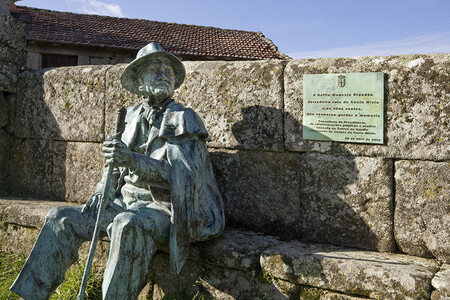
If you travel to Santiago de Rubias, a village in the municipality of Calvos de Randín in Ourense, you can explore a rich tapestry of history. This quaint locale is famous for its beautiful landscapes, delicious local cuisine, and historic sites, including a 16th-century Romanesque church. In 2008, a bronze statue was erected in tribute to Delfín Modesto Brandon, the last judge of an extraordinary microstate known as Couto Mixto.
The Last Judge of Couto Mixto
Remembered not for wealth or renown, Delfín Modesto was a pivotal figure in the governance of Couto Mixto—a microstate that existed independently of both Spain and Portugal for almost seven centuries. His legacy lies in his role as the last judge endowed with judicial powers, an essential character in a unique political entity that resisted external influences.
A Historical Rarity
Couto Mixto was more than just a geographical anomaly; it functioned as a self-governed territory with its own administrative system, rights, and privileges. Many historians celebrate it as one of the oldest forms of democracy in Europe, surviving through a delicate balance of power between the two neighboring kingdoms.
Its origins trace back to the 12th century around the time of the Treaty of Zamora, which established boundaries between the emerging kingdoms of Portugal and León. Amidst these changing political landscapes, Couto Mixto was established as a refuge, managing to maintain autonomy from the ambitions of both nations.
Characteristics of Couto Mixto
Spanning just 27 square kilometers and home to less than a thousand inhabitants, Couto Mixto thrived in relative obscurity. Its diminutive size and geographical isolation aided its survival—a rarity that eluded the attentiveness of both Spanish and Portuguese authorities.
A Federal Republic
Couto Mixto operated under a distinctive governance structure, often described as a “federal republic.” Each of its three towns had representatives that formed a council dubbed “home of agreement,” and a chief judge, or “xuez,” who was elected every three years to oversee governance. This system allowed residents a choice between Portuguese and Spanish citizenship or the option to remain citizens of Couto Mixto, enjoying various exemptions, including military service.
Unique Rights and Rituals
The microstate possessed a “right of asylum,” excluding severe crimes, and was connected to the Portuguese town of Tourem through the “Privileged Path,” exempt from military or fiscal oversight. This feature made it a hub for smuggling and refuge, increasing its historical intrigue.
The End of Couto Mixto
Despite its unique charm, Couto Mixto’s fate was sealed in 1864 with the Lisbon Treaty, which recognized a definitive border between Spain and Portugal. Thus, the microstate was incorporated into Spain, relinquishing its status and privileges.
A Lasting Legacy
Though Couto Mixto may no longer exist, its memory persists. The statue of Delfín Modesto Brandon stands in the church atrium, a symbol of this unique republic’s enduring legacy. Inside the church, visitors can find a replica of the ark that once safeguarded Couto Mixto’s historical documents, a place where the community still gathers for annual ceremonies celebrating their remarkable past.