
The Legacy of Torrija Bread at Mercadona
The Discussion Around Desserts
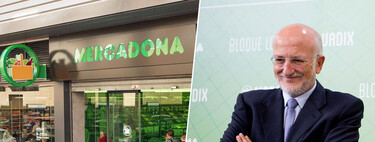
In many Spanish households, the arrival of Easter triggers a familiar debate centered on the beloved dessert: torrijas. Traditionally reserved for this specific season, I firmly believe in the idea of deseasonalizing desserts like torrijas, saint’s bones, bread of the dead, and roscón de reyes, making them available all year long. Notably, Mercadona has emerged as the undisputed leader in selling torrija bread. For those curious about the origin of its Hacendado products, the answer is surprisingly straightforward.
Who Produces Mercadona’s Torrija Bread?
The supplier responsible for crafting this iconic torrija bread is a company anchored in Alcalá de Henares. The Panificadora de Alcalá has been producing bread since 1955 and has been partnering with Mercadona since 2006. Uncovering the identities of suppliers can be a challenge for some products under the Hacendado label, but Panificadora de Alcalá is a notable exception. Their catalog is easily accessible, showcasing a variety of bakery goods, including the sought-after torrija bread.
Insights on Mercadona Bread
Despite certain culinary critiques labeling Mercadona’s torrija bread as not the finest option available—El Corte Inglés is often mentioned as a contender—it has certainly established itself as a strong competitor in the market. Even though opinions vary on which brand reigns supreme, Panificadora de Alcalá has confidently positioned itself among the giants of the white-label product industry.
The Financial Success Behind the Bread
Growing Revenues
According to industry reports, Panificadora de Alcalá ranks fourth nationally among bread producers, following notable giants like Bimbo Donuts. Their relationship with Mercadona has significantly bolstered their financial performance, with reported revenues jumping from 53.2 million euros in 2021 to a staggering 81.7 million euros in 2023. Such growth allows for investments in expansion, including the creation of new jobs and facilities.
A Network of Successful Suppliers
Mercadona collaborates with various suppliers, making it a linchpin for many successful companies, including cheese and meat producers. For instance, the Entrepinares cheese manufacturer boasts a 20-year alliance with Mercadona, currently generating impressive revenue figures. The ripple effect of Mercadona’s business model is evident; suppliers who partner with them often experience significant growth.
The Investment Challenge
Meeting Market Demand
To maintain a competitive edge in an ever-evolving market, suppliers must continuously invest in their capabilities. Companies like Panamar, another bread supplier, reported a 28% growth after becoming a Mercadona partner. However, to keep pace with Mercadona’s stronghold on nearly 30% of the market share, substantial investments are required, often amounting to millions of euros in facility expansions and technology upgrades.
A Commercial Strategy
Last year, Mercadona expanded its horizons by purchasing Logifruit, enhancing its supply chain efficiency. This move underscores how Mercadona not only relies on its suppliers but actively participates in reshaping its operational landscape. Such strategies contribute to their sustained commercial success.
Conclusion: The Future of Torrija Bread
As Easter approaches, expect to see a surge in the sales of torrijas, largely propelled by Panificadora de Alcalá’s efforts to meet consumer demand. This relationship exemplifies how the synergy between Mercadona and its suppliers fosters innovation and growth. While the owner of Mercadona may prefer consumers to embrace their products over making them at home, the moral remains clear: quality torrija bread is just a mercadona trip away.
Images by: Rafax on Flikr