
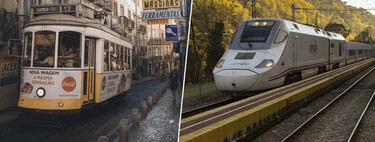
The Transformation of Madrid’s Most Used Cercanías: Line C-5
The Ministry of Transport has unveiled an ambitious plan to transform line C-5 of Madrid Cercanías, currently serving around 72 million passengers annually, making it the most utilized line in Spain. This transformation comes as a response to the increasing pressure on the line, which represents 29% of all Cercanías trips in the Madrid area. Although the changes will not commence until the underground work on the A-5 is completed, the plans promise significant enhancements.
Major Upgrades Needed
Line C-5 has been stretched to its limits with demand surging by 10% between 2022 and 2024. Currently equipped with trains no longer than 150 meters, inadequate platform sizes, and an antiquated signaling system, the line has been in dire need of updates. The modernization plan involves an investment of €1.35 billion, aimed at addressing these deficiencies and enhancing the overall travel experience for commuters.
The New Stadler Series 453 Trains
Central to the modernization of C-5 is the introduction of 35 Stadler Series 453 trains, each nearly 200 meters long. These trains will include a mix of single-decker and double-decker cars, optimizing passenger capacity. Currently, trains accommodate approximately 1,565 passengers, but the new units will increase this number to 1,884. This includes 524 seated and 1,360 standing passengers, making journeys quicker and more comfortable.
Enhanced Features for Travelers
The Stadler Series 453 trains come equipped with several new amenities, enhancing the commuting experience:
- Areas for wheelchairs and bicycles
- Multifunctional spaces for strollers
- Fully accessible toilets
- Wi-Fi and USB charging ports
Additionally, the trains have been designed for passenger comfort, providing wider entrances for efficient boarding and alighting.
Challenges Ahead
While the excitement grows for this upgrade, several challenges remain. The infrastructure currently limits the operation of 200-meter trains. The existing platforms need to be extended by 40 to 50 meters, and the signaling system, which has reached the end of its useful life, must be replaced with the European ERTMS Level 2 standard.
Future Timeline
The timeline set by the Ministry is ambitious, with service interruptions planned during the summers of 2027 and 2028 for essential upgrades. Testing of the new signaling system is expected to begin in April 2029, and the first high-capacity trains are scheduled for service by April 2030. Completion of the project is targeted for October 2031, with the objective of increasing ridership capacity by 60%, ramping up from 72 million to 100 million travelers annually.
Conclusion
As Madrid gears up for one of its most significant public transport upgrades in decades, the major reforms to line C-5 promise not just to alleviate current congestion but also to lay the groundwork for a modernized public transport system that meets the needs of expanding ridership. The success of this initiative hangs on maintaining the proposed timeline and ensuring adequate infrastructure development.
Images | Snooze123 (Wikipedia) and Stadler