
The Challenge of Irregular Urbanizations in Madrid
The real estate landscape in Madrid is confronting serious issues, primarily revolving around irregular urbanizations. Recent data from the Community of Madrid reveals a concerning trend: nearly 200 unauthorized developments housing thousands of homes exist without proper permits. This phenomenon is significantly affecting the local housing market, exacerbated by rising prices and an increase in vacation rentals.
The Current State of Irregular Settlements
The latest reports indicate approximately 184 illegal urbanizations, totaling around 10,500 homes. This alarming number reflects a backlog of irregular constructions traced back to censuses conducted in the 1980s, where only 136 irregular settlements were initially identified. The subsequent growth in figures can be attributed to both the regularization of certain areas and the recognition of additional settlements previously unaccounted for.
Why Are These Urbanizations Growing?
Most of these constructions are results of urban development processes that did not comply with existing regulations. The Ministry of the Environment has categorized them as lacking essential planning and minimum living conditions, raising questions about safety and livability. Expanses of land that were once rural have now transformed due to pressure from high housing demand, leading to the spontaneous growth of makeshift settlements.
Not All Urbanizations Are Equal
Notably, the La Vega del Tajuña settlement stands out, enlisting a significant number of irregular homes. This region includes around 5,513 residences spanning over 2,700 hectares, making it the largest of its kind in the Community of Madrid. Other areas like Camino Viejo de Madrid and Vega Baja del Guadarrama also contribute to the irregular housing situation, adding more than 1,400 buildings to the count.
Case Study: Mejorada del Campo
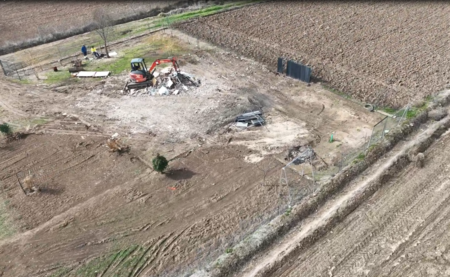
Insights into these irregularities can be gleaned from visits to outskirts like Mejorada del Campo. The initial development of these areas in the 1980s was often spearheaded by developers who sold parcels of land for urban gardens. Over time, the initial structures evolved into full-fledged homes as market pressures escalated, showcasing how these irregularities took root in more favorable economic conditions.
Historical Context and Future Implications
This isn’t a new issue; the Community of Madrid has been grappling with irregular constructions for years. In a recent inspection period, they reported over 1,900 irregular constructions on protected land, spanning more than 5,300 hectares across 56 municipalities. Many of these settlements lie in flood-prone regions, stressing the urgency to standardize regulations and protect both the residential and environmental integrity.
The Broader Impact Across Spain
Madrid is not alone in facing this dilemma. Similar issues emerge in regions like Catalonia, where urbanizations built between the 60s and 80s often lack the necessary infrastructure. A 2015 report indicated that nearly half of the identified urbanizations in Catalonia suffer from severe service deficits, suggesting that this problem is widespread and in urgent need of attention from regional governments.
Ultimately, addressing the complexities surrounding illegal urbanizations requires a multi-faceted approach that balances the immediate housing needs of residents with long-term planning and regulatory enforcement.