
Impact of the Strait of Hormuz Blockade on Semiconductor Supply Chains
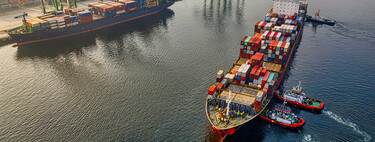
The situation in the Strait of Hormuz has escalated, with over 1,100 ships, including 250 oil tankers, trapped in a standoff that has lasted weeks. The ripple effects of this blockade are becoming increasingly evident, particularly in the semiconductor industry, which is critical to modern electronics. With oil prices already exceeding $100 a barrel, we must examine how this energy crisis is impacting the semiconductor supply chain that powers our everyday devices.
The Semiconductor Landscape: A Dependency on Energy
Taiwan and South Korea are key players in the global semiconductor landscape. Taiwan, through TSMC, produces over 90% of the world’s advanced semiconductors, while South Korea’s giants, Samsung and SK Hynix, dominate the DRAM memory chip market with over 70% control. Both of these nations rely heavily on imports for nearly all of their energy, much of which historically comes from the Persian Gulf.
Energy Dependence in Taiwan
Taiwan’s dependency is alarming, with approximately 97% of its energy sourced externally. Before recent tensions, one-third of its natural gas was imported from Qatar. However, recent military actions have disrupted supplies from major facilities like Ras Laffan, leading QatarEnergy to declare a force majeure.
South Korea’s Vulnerability
South Korea faces a similar precarious situation, sourcing 70% of its crude oil from the Middle East. The abrupt onset of conflict resulted in a significant market downturn, losing 18% of its stock market value in just four days — a staggering $500 billion in capitalization.
Exposing Existing Weaknesses
The current crisis has laid bare the fragile foundations upon which the chip industries of these nations were built. Approximately 36.6% of South Korea’s primary energy demand is met through oil, with an additional 19.7% from natural gas, according to the International Energy Agency (IEA). As the world’s largest chip manufacturing complex is under construction in Yongin, South Korea, it will demand 16 gigawatts of energy, which constitutes 17% of the country’s peak demand.
Taiwan’s Finished Energy Assets
Taiwan’s energy reserves are critically low, with liquefied natural gas (LNG) reserves lasting only about eleven days. More than 50% of Taiwan’s electricity generation relies on natural gas, and in times of scarcity, coal becomes the fallback option—an option that is not only more expensive but also more environmentally damaging.
The Rising Demand for Memory Chips
As demands for memory chips hit all-time highs, driven largely by the booming AI sector, the stakes have never been higher. While current shortages are yet to materialize, the price of LNG in Asia has already surged, more than doubling since the outbreak of conflict. Typically, these rising costs filter down from chip manufacturers to device manufacturers and ultimately to consumers.
Mitigation Efforts: Short-Term Relief
Despite the crisis, Taiwanese officials assure that rationing of energy resources is unlikely, having secured alternative supplies from the U.S. and Australia until at least April. Additionally, Japan, which typically imports excess LNG, is positioned to act as a stabilizing force amid the escalating energy crisis in the region.
Conclusion: A Prolonged Blockade’s Dire Consequences
The key risk moving forward is not merely the days of blockade but the potential for months of disruption. Should the situation continue to evolve unfavorably, the semiconductor industry may face significant challenges that could cascade throughout the global electronics market. As we delve deeper into this crisis, one thing remains clear: the interconnectedness of energy and technology is more crucial than ever.