
The Transformative Experience of Erasmus+ in Malta
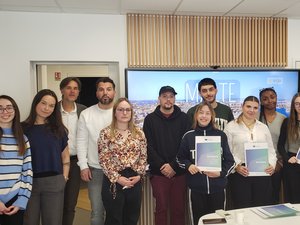
In February 2026, eight young participants, including three from Alès, completed an enriching Erasmus+ stay in Malta, offering valuable insights into the impact of European mobility on their professional journeys. This program, often perceived primarily as a student initiative, plays a crucial role in the professional development of young working individuals.
Shifting Perspectives on Erasmus+
Mickael Stange, the director of the Maison de l’Europe, articulated a common misconception during a feedback session held on March 16, 2026. He pointed out that while many still view Erasmus as exclusively a student program, nearly half of its participants are actually young professionals seeking to enhance their careers. The attendees at the feedback session confirmed this trend, as none were currently enrolled in academic programs.
Camille, an Alésienne who holds a Master’s degree, shared her motivation for embarking on this journey. “After my studies, I was disappointed by what a company was like in France. I wanted to see another way of working,” she explained. Her experience in Malta reflects the aspirations of many young people who seek alternative professional environments and broaden their horizons.
Practical Benefits of European Mobility
The Erasmus+ program is not only an opportunity for cultural exchange; it serves as a significant asset for young people entering the job market. The participants, aged 19 to 25, engaged in various professional experiences during their stay, which enriched their CVs tremendously.
Yelena, a 20-year-old intern in a hotel, emphasized the program’s value: “I was looking for an experience that would improve my CV.” Her ambition to become a flight attendant fueled her desire to gain international exposure. Similarly, Aurore viewed her trip as a crucial first step in exploring the broader world. “The answer is yes,” she confirmed when asked if she wanted to continue traveling and experiencing new cultures.
A Gateway to Global Opportunities
Erasmus+ extends conventional educational borders, allowing participants from various backgrounds—including middle and high school students, apprentices, employees, and job seekers—to engage in professional experiences across 33 countries. This diverse participation enriches not only the individuals involved but also the industries they aspire to influence.
For more information on opportunities related to the Erasmus+ program, aspiring travelers can visit Maison de l’Europe’s website.
Conclusion
The feedback from these young participants highlights a growing trend: the need for innovative, international work experiences. As they returned from Malta with newfound skills and perspectives, it’s clear that programs like Erasmus+ are vital in shaping a generation of adaptable, culturally aware professionals. This initiative not only contributes to individual careers but also builds a more interconnected European community, fostering collaboration and understanding across borders.