
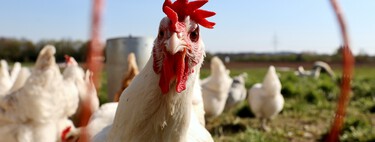
The Rarity of the Extremaduran Blue Hen
Human beings often overlook the natural beauty surrounding them. For decades, blue chickens—known for their rustic toughness and independence—thrived in the sun-kissed landscapes of Extremadura. These birds were once integral to the livelihood of local farmers, but with the rise of modernity, they began to fade into obscurity.
A Decline in Numbers
As of today, the Extremaduran Blue Hen is the rarest chicken breed in Spain, with an estimated population of only about 2,000 specimens. The Extremadura Blue Hen Breeders Association operates 23 farms, but many owners raise them primarily for personal enjoyment rather than commercial purposes. This decline highlights not only the fragility of a unique breed but also the shifting agricultural landscape of Spain.
Threatened Poultry Breeds in Spain
Spain is home to 21 poultry breeds currently at risk of extinction, reflecting a troubling statistic: 95.4% of all registered native poultry breeds are under threat. Compounding this issue, 84% of all indigenous animal breeds face similar risks. Despite Spain being a powerhouse in agricultural production—ranking second in chicken production in Europe and the first in pork—the survival of its native breeds remains precarious.
The Impact of Industrial Farming
The absence of local breeds in modern agricultural practices can largely be attributed to the rise of industrial poultry farming since the 1950s. This shift favored commercial hybrids designed for maximum productivity, sidelining the age-old breeds that once flourished.
Challenges and Opportunities for Preservation
The situation begs deeper consideration: what does the future hold for the Extremaduran Blue Hen? Since conservation efforts began in 1991—when only a handful of specimens were found—the situation has improved, yet significant challenges remain.
The Economic Viability Dilemma
One key question is whether local livestock breeds can be preserved without a viable economic model to support them. Regulatory frameworks favoring industrial farming create significant obstacles for the survival of traditional traits. Despite increased institutional backing, such as breeding programs and germplasm banks, the Extremaduran Blue Hen struggles to find its place in a market dominated by commercial hybrids.
What Lies Ahead?
Is the decline of such a unique breed a forewarning for the future of traditional agriculture? The story of the Extremaduran Blue Hen serves as a reminder of the complexities surrounding agricultural practices and the need for a balanced approach that honors both tradition and innovation.
Conclusion
As we navigate through changes in agricultural practices and consumer preferences, preserving breeds like the Extremaduran Blue Hen may require a concerted effort from both local communities and government institutions to ensure these remarkable birds continue to grace the landscapes of Spain.
Image Credit: Mentxuwiki