
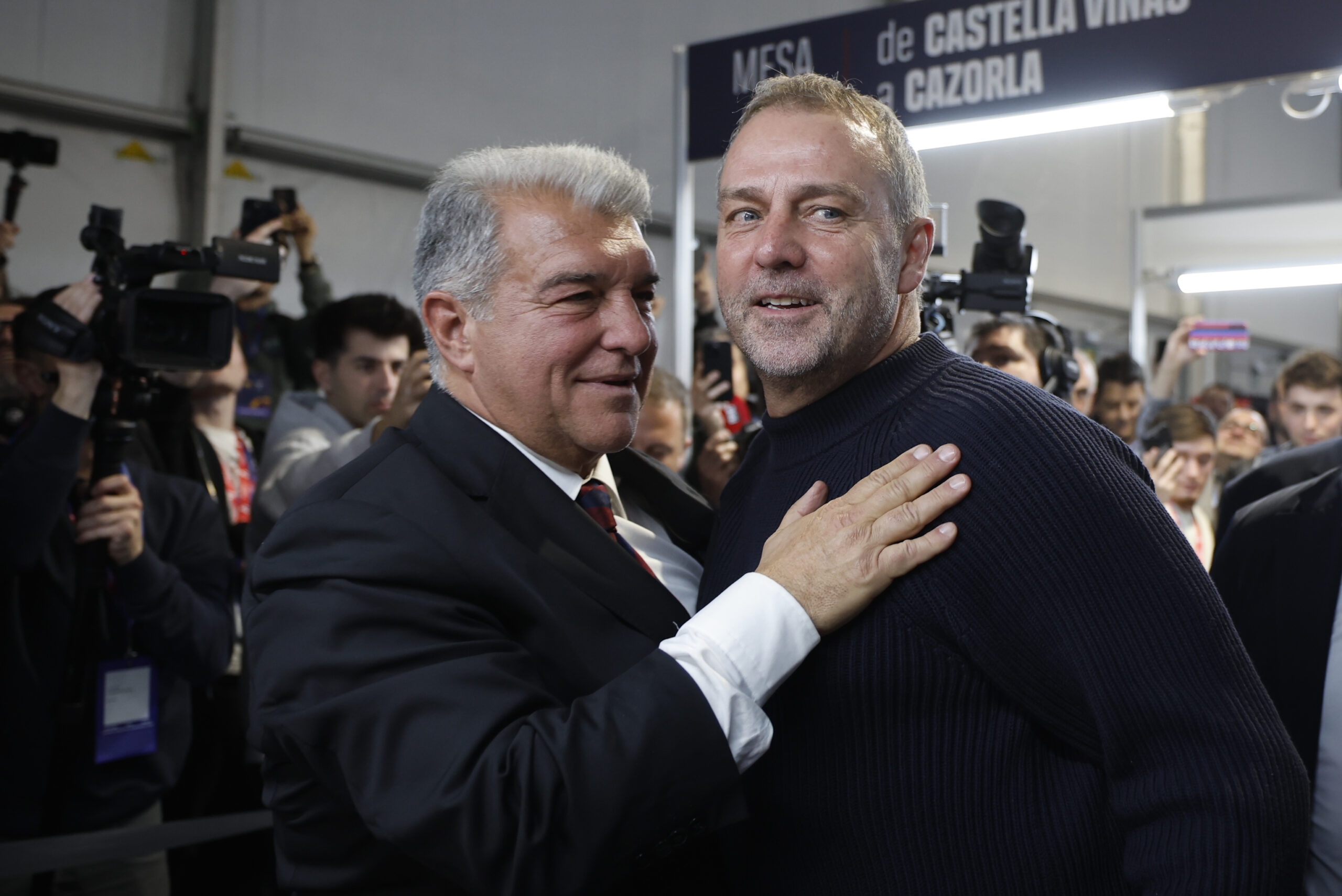
El Rey del Mambo: Laporta’s Festive Leadership at Camp Nou
The music of Pérez Prado, often described as a “coup d’état against known rhythms,” is a fitting metaphor for the current political climate at FC Barcelona under Joan Laporta. Dubbed the Rey del Mambo, Laporta’s leadership dances through the complexities of football politics with finesse, navigating the competing interests within the club and the fierce rivalries that characterize its fan base.
Navigating Political Terrain
Laporta leads FC Barcelona with a unique kind of transparency, yet this has not come without its controversies. While his administration has sought to renew the club’s spirit and ambitions, it operates within a significant financial backdrop comprised of both triumphs and tribulations. Like many institutions burdened with debt, Barcelona’s financial maneuvers—coined “palancas” (levers)—are strategies aimed at securing immediate income while potentially jeopardizing future stability.
Javier Tebas, the president of La Liga, has overlooked some of these financial tactics, recognizing the need for Barcelona to maintain balance within the league and the sport at large. However, the UEFA has issued warnings and sanctions against the club, indicating that scrutiny remains high and consequences could follow if regulations are breached.
The Electoral Minefield
Laporta successfully navigated a treacherous electoral landscape, defending himself against attacks from various quarters. Apart from the ongoing Negreira scandal, he faced critiques from former players and anonymous club members alike. Accusations of economic misconduct, including money laundering, put him in a precarious position, highlighting the tension between the club’s past and its future.
Populism has become his ally; like a performer on the Camp Nou stage, he skillfully redirects attention to external threats, mirroring tactics used by figures such as Donald Trump. By framing narratives of conspiracy and division, he consolidates loyalty and support amid internal strife.
Perpetual Controversy
Laporta remains tied to the Negreira payments, a shadow looming over his administration. His recent book, “Así salvamos el Barça,” recounts these events, urging critics to specify any instances of favoritism as a result of his decisions. This defensive posture suggests an ongoing battle with reputational vulnerability.
Moreover, Laporta’s relations with key figures like Xavi Hernandez have soured, with accusations flying as both seek to define their legacies within the club. His candid discussions about managerial priorities illuminate tensions in how the club is run, revealing a continual struggle for control among its prominent personalities.
The Future of FC Barcelona
As Laporta’s presidency evolves, he appears to recapture a sense of foresight reminiscent of his previous terms. Post-Xavi, his instinct for leadership recalls successful moments in Barcelona’s storied history—an alignment with coaches like Pep Guardiola and Fran Rijkaard that resonated deeply with fans.
Questions about Laporta’s connections to controversial figures and historical relationships remind us that the path ahead is fraught with challenges. Embracing diverse viewpoints is essential, but pitfalls may arise when past associations are involved. Footballers and fans alike seek unity, yet the underlying tensions can complicate this aspiration.
Conclusion
Joan Laporta embodies a complex figure within the realm of football, intertwining politics, finance, and a historical legacy in a club as passionate as FC Barcelona. His ability to adapt to shifting rhythms makes him both a leader and a performer—a ‘mambo’ king navigating the intricate dance of modern football governance. As FC Barcelona moves forward, the balancing act between transparency, tradition, and innovation will remain pivotal to its success.