
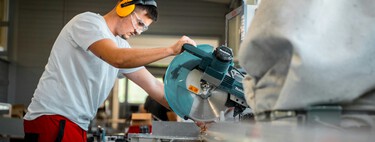
The Critical Demand for Skilled Technicians in Europe’s Rearmament
After the political tumult stirred by the Trump administration, Europe, particularly Spain, has committed to revitalizing its arms industry through substantial investments. The Rearm Europe Plan, armed with a budget of 800 billion euros, has driven a surge in orders to Spain’s defense sector. Despite the influx of financial resources and the burgeoning backlog of orders, production cannot keep pace due to a critical shortage of skilled technicians.
The Labor Market Transformation
The rearmament initiative is reshaping Spain’s labor landscape, progressing at an unexpectedly rapid pace. Defense contractors have been struggling to recruit technicians, and merely relying on university graduates won’t suffice to fill this gap. As highlighted in the ‘Metal in Figures’ report by the Spanish Confederation of Metal Business Organizations (Confemetal), the sector employed around 828,446 individuals in January 2026, reflecting a modest annual growth of 1.2%. However, these figures do not yet encapsulate the full impact of the European rearmament endeavors.
The Countdown for Technicians
The need for skilled technicians is acutely pronounced within the defense industry. The Spanish Association of Defense, Security, Aeronautics, and Space Technology Companies (Tedae) notes that approximately 580 firms generate around 75,100 direct jobs, with key regions such as Madrid, Andalusia, and the Basque Country contributing significantly to the national turnover. Companies across this sector are encountering a uniform hurdle: a shortage of qualified technicians to operate production lines. Many of the existing professionals are already employed, leaving few resources to bolster manufacturing capabilities.
Educational Solutions and the Role of Vocational Training
To address this challenge, major defense companies are focusing their attention on vocational training (FP) as a primary source of fresh talent. Currently, an increasing proportion of the workforce comes from FP programs, sometimes surpassing 30% of total staff. This trend is crucial as companies seek to attract recent graduates capable of stepping into these vital roles.
In-Demand Skill Sets
The Metal Foundation for Training has identified two pivotal vocational qualifications that meet the sector’s burgeoning demands: the Senior Technician in Electrotechnical and Automated Systems and Machining Technician. These specializations are critical for the installation, programming, and maintenance of essential systems across defense technologies.
Job Market Outlook
Beyond the immediate defense sector, the shortage of qualified labor extends throughout various industries, including automotive, steel, and machinery manufacturing. Companies will need to fill more than 350,000 positions in the coming years, indicating that the lack of technical talent has become one of Spain’s principal industrial challenges as it heads toward the next decade.
Competitive Advantages in the Sector
The sector’s competitive salary structures also serve as an enticement for potential applicants. The average take-home pay for metal workers exceeds 2,000 euros monthly, complemented by contract stability and benefits such as life insurance and retirement plans. Despite these advantages, young candidates often do not associate these roles with exciting career prospects in advanced manufacturing environments like those found in defense technology.
The current trends reveal a remarkable opportunity for Europe’s rearmament and the skilled technicians who will underpin this evolution—proving critical to both securing job opportunities and fortifying national defenses.