
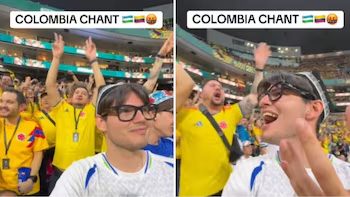
The Colombian Fans Chanted: “Poropopo, Poropopo, He Who Doesn’t Jump is a Faggot” – Credit gargsbeautys/IG
The release of a video from the Azteca Stadium during the World Cup debut clash between Colombia and Uzbekistan has sparked significant discussion. This memorable moment highlights not only the intensity of the match but also a cultural shock experienced in the stands.
Uzbek Fan’s Reaction
In the viral footage, an Uzbek fan stands out. Clad in a white jersey with the number 27, black glasses, and a traditional Uzbek tubeteika, he visibly reacts to the exuberant atmosphere around him. Colombian fans, celebrating their team’s performance, chant a popular, yet controversial, slogan that includes the phrase: “Poropopo, poropopo, anyone who doesn’t jump is a faggot.”
Upon hearing this chant, the Uzbek man responds with agitation, shaking his head and expressing disapproval. His reaction highlights a cultural dissonance, illuminating the complex emotions in such a charged environment.
Social Media Reactions
The clip quickly gained traction on social media, prompting varying reactions from users. Many highlighted the cultural differences, while others attempted to defend the spirited nature of Colombian fan culture. One commenter noted, “It’s just folklore friend 😂,” suggesting that these chants are merely part of the vibrant atmosphere in Latin American football.
However, others voiced concern over the lack of respect in fan interactions. Messages ranged from humorous takes to calls for more inclusive behavior: “I don’t understand why they can’t encourage their team without offending their opponents. What is the need?”
A Moment of Empathy
Amidst the fervor, another touching moment unfolded in the stands. An Uzbek boy, overcome with emotion, became a centerpiece of compassion and support from Colombian fans post-match. After Colombia’s 3-1 victory, several fans surrounded the young boy, chanting “Uzbekistan” to uplift him in a show of solidarity. One fan even extended a comforting hug.
This heartwarming act of kindness captured the spirit of the tournament, demonstrating that sports can foster empathy and connection beyond rivalries. It highlighted the capacity of sports fans to transform victory into compassion, creating a memorable narrative in World Cup history.
Conclusion
The experiences at the Azteca Stadium during the Colombia vs. Uzbekistan match serve as both a reminder of cultural differences and the power of sports to unite. While the Uzbek fan’s discomfort with the Colombian chant spoke volumes about cultural sensitivity, the subsequent act of kindness showcased an invaluable lesson in empathy. As the tournament progresses, these stories will continue to shape how fans engage with one another, transforming competition into shared memories.