
The Wisdom of Epicurus: Understanding “Nothing is Enough”
The Ancient Philosopher’s Insight
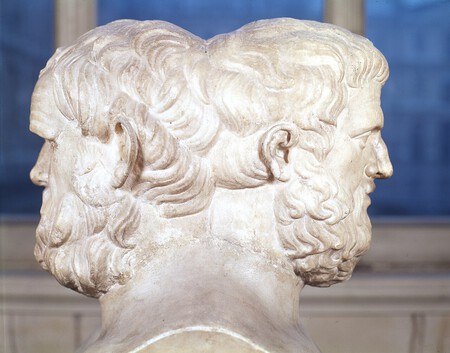
Over 2,000 years ago, the philosopher Epicurus roamed the streets of Athens, contemplating the essence of happiness and dissatisfaction. Back then, societal anxieties over materialism were yet to take root, but Epicurus keenly anticipated the dangers of uncontrolled desires. His assertion, “Nothing is enough for those who have enough is little,” serves as a timeless warning against the pursuit of excess. This quote may echo in modern discussions, but its depth and relevance remain significant today.
A Call for Rational Hedonism
Epicurus’s teachings advocate for what he termed “rational hedonism.” He believed that true happiness is not found in mindless indulgence, but rather in thoughtful consideration of one’s desires. Seeking pleasure is part of the human experience, yet not all pleasures yield satisfaction. Epicurus promoted moderation over extravagance, emphasizing that restraining oneself could lead to lasting contentment.
The Nature of Desires
Epicurus categorized desires into two types: necessary and vain. Necessary desires are straightforward—those that keep us healthy and content, such as food and friendship. Conversely, vain desires often lead to dissatisfaction and lead us down a limitless path of wanting. His philosophy encourages us to prioritize our needs wisely, asking us to consider what truly contributes to our happiness.
The Timeliness of Epicurus’ Message
In our contemporary world, consumerism is a pervasive issue. Many find themselves caught in a cycle of purchasing, driven by the illusion that material possessions can fulfill their needs. However, as Dr. Gonzalo Hervas notes, this consumption often constitutes a “false promise of happiness.” Epicurus’s wisdom encourages reflection. True fulfillment arises from within, not from an endless quest for external validation.
💡 Key Takeaway: “Those who need abundance the least enjoy it the most.” This notion speaks volumes in today’s societal climate, where dissatisfaction reigns even amid plenty.
Practicing Self-Reliance and Contentment
Epicurus invites us to embrace self-reliance. In his “Letter to Menoeceus,” he underscores that understanding one’s needs and cultivating self-sufficiency is paramount for a fulfilled life. By mastering our desires, we can break free from the chains of consumerism. His creed promotes finding joy in simplicity, suggesting that even ordinary pleasures can bring significant joy.
A Cautionary Tale on Modern Consumerism
Today, as we navigate through the complexities of a consumer-driven society, Epicurus’s insights are as relevant as ever. The quest for more can often lead to increased anxiety and dissatisfaction. Reflect on the essence of what truly brings you joy, as Epicurus implores us to engage in “sober reasoning.” By appreciating what we have rather than yearning for what others possess, we can cultivate a more profound sense of happiness.
Conclusion: The Path to Lasting Happiness
Epicurus’s philosophy serves as a reminder that the pursuit of happiness does not lie in abundance but in moderation. His words beckon us to assess our desires critically, urging us to seek a fulfilling life rooted in self-sufficiency and appreciation for life’s simple pleasures. In a world where “nothing is enough,” let us strive to redefine satisfaction and cultivate our well-being for brighter tomorrows.