
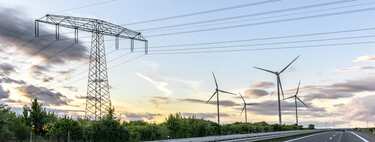
The Saturated Spanish Electrical Grid
Imagine a highway where no vehicles can fit; the issue isn’t lack of space but inefficient driving. This analogy reflects Spain’s electrical grid, which has been operating at administrative capacity for years. Suddenly, with the emergence of data centers, a surge in power demand threatens to collapse this already strained system.
Data Centers: A Double-Edged Sword
Data centers, the backbone of artificial intelligence and cloud computing, promise to energize the economy. However, their immense energy appetite risks overwhelming the existing electrical infrastructure. To avert a crisis, the Spanish government has had to implement urgent measures, radically altering the operational dynamics of the grid.
Cascading Capacity Collapse
Understanding the grid’s potential failure requires examining our shifting energy consumption patterns. The energy transition is dramatically reshaping demand across Spain, with skyrocketing requests for access to transportation and distribution networks. Coupled with industrial electrification and the burgeoning needs of AI data centers, this change has stressed an already fragile system. The National Markets and Competition Commission (CNMC) recently introduced a “dynamic criterion” for determining access capacity. This new method restricts requests from several kilometers away when a single data center asks for connection, an administrative blockage that ignores actual cable capacity.
Economic Consequences: A Real Crisis
Real Estate and Industrial Standstill
The ramifications of this energy traffic jam are significant. According to Asprima, only 12% of recent connection requests for new urban developments were approved. Consequently, about 350,000 homes face potential power shortages.
The Threat of Blackouts
The Official State Gazette warns of the increasing risks associated with installations vulnerable to power disturbances. A large-scale disconnection could trigger flows that endanger Spain’s limited European interconnections. The specter of a massive blackout, reminiscent of the incident on April 28, 2025, looms large.
Investment Limitations
Simply adding more cables will not solve the problem. Joaquín Coronado, an industry expert, stresses the necessity for a fully active demand that ensures system stability. The grid’s intricate dynamics require more than just physical enhancements.
Government’s Emergency Response
In response to this impending crisis, the Spanish government has rolled out a three-pronged plan:
New Royal Decree: The Ministry of Ecological Transition has proposed new technical requirements ensuring installations can withstand voltage fluctuations and maintain stability, potentially unlocking 50% more capacity across 900 high-voltage nodes.
Flexible Permits: The CNMC aims to transition from a binary capacity model to four types of flexible permits, allowing limited consumption during specific time slots and enabling emergency disconnects.
Technical Amnesty: The Ministry of Industry has lifted the “off-peak hours” consumption requirement, facilitating a 24/7 operational model for data centers.
Costs to Citizens and Future Implications
While the government’s response aims to stabilize the system, citizens may bear the financial brunt. Projections for 2026 indicate increases in both tolls and electricity system charges. The technology sector, however, warns that a crucial piece is missing: the absence of a specific classification under the National Code of Economic Activity (CNAE) for data processing could render these initiatives ineffective.
From Wired to Smart Grids
Spain is poised to shift from a traditional energy model to a data-centric economy. However, the current capacity crisis highlights that the electrical grid must transition into a smart grid, requiring precise management and coordination. By promoting flexibility, demanding robustness from data centers, and streamlining bureaucratic processes, Spain can avoid stifling innovation in green industrialization, artificial intelligence, and housing development.