
The Rise of OpenClaw: A Game-Changer in AI
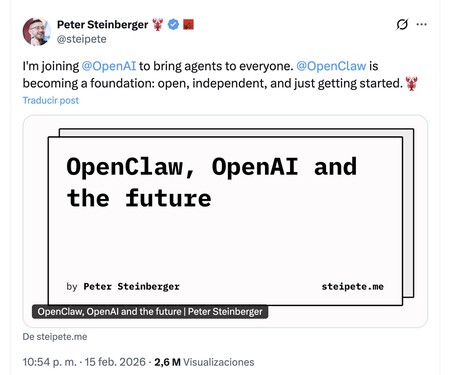
Peter Steinberger’s OpenClaw emerged as a significant disruptor in the landscape of artificial intelligence, evolving from relatively unknown origins to becoming a sensation within the tech world in just a month. Initially branded as Clawdbot and later Moltbot, the project garnered attention from major tech companies, culminating in OpenAI’s acquisition. This transition raises critical questions about competition, innovation, and the future of AI agents.
What is OpenClaw?
OpenClaw is more than just an AI tool; it represents the innovation in creating a “total AI agent.” This system incorporates multiple AI models, including those from OpenAI, Anthropic, and Google, to perform tasks for users seamlessly. Unlike traditional AI models, OpenClaw offers unique features:
Conversational Interfaces: Users can interact with their AI agents through popular messaging apps such as Telegram and WhatsApp, making communication feel more personal.
Full Control of Devices: OpenClaw operates on various devices—be it a dated PC, a Raspberry Pi, or a VPS—providing full access to its installed environment. This capability brings both utility and inherent risks.
Autonomous Decision-Making: Using advanced models like Opus 4.5, OpenClaw displays autonomy and proactivity, suggesting and making decisions based on user interactions.
OpenAI Acquires OpenClaw
Just last week, in an interview with Lex Fridman, Steinberger shared that offers were made from several tech giants, including OpenAI and Meta. Eventually, he chose to partner with OpenAI, announcing that OpenClaw will be managed by a foundation and remain open-source. This move allows Steinberger to leverage OpenAI’s vast resources while keeping his vision intact.
The Challenges of Competing with Giants
The question remains: can smaller startups outcompete industry titans like OpenAI and Google? The short answer is likely no. Larger corporations often struggle with agility in adapting to rapid technology shifts. OpenClaw represents an innovation that many competitors had initially overlooked, owing to concerns about the powerful capabilities it provides. In most cases, smaller players are either overtaken or absorbed by larger firms looking to eliminate competition.
A Visionary Creator
Steinberger articulated his goal clearly: “I want to change the world, not create a big company.” His creative drive and efforts over 13 years have led him to this pivotal moment, and he believes that partnering with OpenAI will help realize his vision quicker than going it alone.
The Solo Unicorn Concept
OpenClaw has also sparked discussions about the “Solo Unicorn” phenomenon, where a single creator can lead a startup valued at over a billion dollars. While OpenAI’s acquisition price isn’t disclosed, OpenClaw exemplifies the type of innovation that could easily fit this narrative.
The Future of Custom AI Agents
OpenAI’s CEO, Sam Altman, confirmed the partnership and affirmed that OpenClaw will lead the next generation of personal agents. This partnership aims to integrate personalized AI agents into the broader product offerings.
Conclusion: An Era of Total AI Agents
With OpenClaw’s continued open-source status and independence, it stands to grow exponentially, backed by OpenAI’s resources. While existing “full AI agents” such as Anthropic’s Computer Use and DeepMind’s Project Jarvis have made strides, OpenClaw’s comprehensive capabilities over all device applications suggest a transformative future for AI in our everyday lives.
OpenClaw is not just a momentary sensation but a visionary step towards what the future of personalized AI may look like.