
The Disturbing History of Bethlem Psychiatric Hospital
Between brushstroke and brushstroke, Richard Dadd conceived the disturbing idea that his father was the reincarnation of a devil. In 1843, during a summer walk, he stabbed his father to death and fled, only to be arrested shortly after in France. Dadd’s story is one of many that ended up at the infamous Bethlem Royal Hospital.
A “Human Zoo” for the Wealthy
For centuries, Bethlem, founded in the 13th century, served not merely as a hospital but rather as a “human zoo”. For just one shilling, members of London’s elite could observe the “lunatickes,” a grotesque form of entertainment that involved watching the insane in horrendous conditions. The term “lunatickes” itself reflected this degrading treatment.
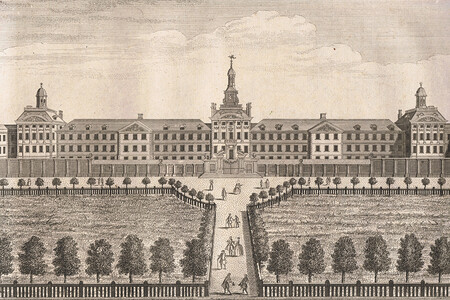
Bethlem in 1739.
The black legend of Bethlem has been perpetuated through literature and film, including Mack Robson’s Bedlam, Psychiatric Hospital (1946). Though the hospital is now respected in the UK, it grapples with a haunting past.
Origins and Evolution
The history of Bethlem traces back to 1247 when Simon FitzMary donated land for the Priory of St. Mary of Bethlehem. This pioneering institution gradually evolved into a hospital by the year 1400, eventually handed over to the city of London by Henry VIII.
Over the years, Bethlem changed locations multiple times. After moving to Moorfields in 1676, it was designed to resemble a palace, but the facade could not hide the grim reality within. Amid ongoing changes, the facility became notorious for the inhumane treatment of its patients, with practices like shackling and cold baths being common.
A Modern-Day Perspective
Despite its turbulent history, Bethlem has reinvented itself. The mental health landscape has shifted significantly, leading to improvements. Notable physicians, such as Edward Tyson, played a role in transitioning the hospital toward progressive care, hiring staff and caring for the poorest patients.
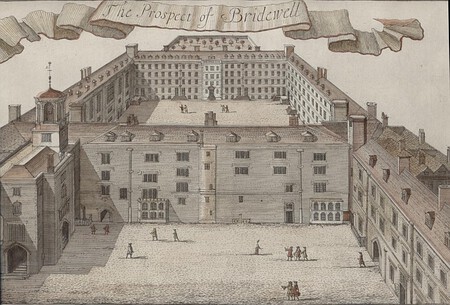
The psychiatric hospital’s changing landscape.
Historical Impact and Legacy
Today, Bethlem stands as one of the world’s oldest psychiatric hospitals. Its legacy is complex; while it is no longer an asylum of horrors, it remains a stark reminder of the darker chapters of mental health treatment. Notably, the hospital has hosted various notable figures, including artists and criminals, who became part of its haunting narrative.
Even now, the past looms large. Recent discoveries, including human bones from an ancient cemetery linked to Bethlem, unearthed during the construction of the London Crossrail project, testify to the institution’s long, often tragic history.