

What harm could a raccoon do? A quick search online showcases their many aesthetic virtues. They are small but not too small; furry yet adorable; intelligent while maintaining a playful demeanor; and undeniably charming in their goofy antics. Raccoons captivate the hearts of children and animal lovers alike.
However, appearances can be deceiving.
Numerous accounts and visual evidence highlight the disruptive nature of raccoons. Genetically, they are equipped with skills that betray their seemingly innocent exterior. With their distinctive dark “mask” patterns around their eyes, raccoons are nature’s cunning tricksters—extremely intelligent, elusive, and clever in their pursuits.
Conservation services in Madrid are all too aware of this. Since their introduction into Europe a decade ago, raccoons have swiftly expanded their territory, with over 800 individuals recorded in just fifteen years—remarkably few given their potential resilience.
Raccoons have become a nightmare. Lacking natural predators since their origination from the Americas, they threaten local wildlife and instigate fear in peripheral neighborhoods. Their unparalleled adaptive skills, honed through millennia of survival, combined with their prolific breeding capabilities allow them to dominate untouched environments remarkably quickly. The raccoon is a perfect colonizing force.
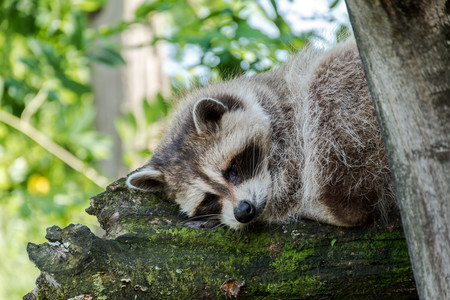
(Thomas Despeyroux/Unsplash)
Even today, the friendly image of the raccoon endures, especially in a country like Japan.
A Counterproductive Obsession
The journey of raccoons into Japanese culture began in 1963 when author Sterling North published Rascal: A Memoir of a Better Era, which quickly became a beloved children’s classic, highlighting the nostalgic adventures of a pet raccoon. The bond between humans and raccoons gained traction when Disney adapted the book into a film in 1969, further solidifying the raccoon’s appeal.
Fast forward to 1977, when Nippon Animation decided to adapt Rascal into a television series. This 52-episode adaptation took Japanese pop culture by storm, effectively reviving the raccoon’s fuzzy charm.
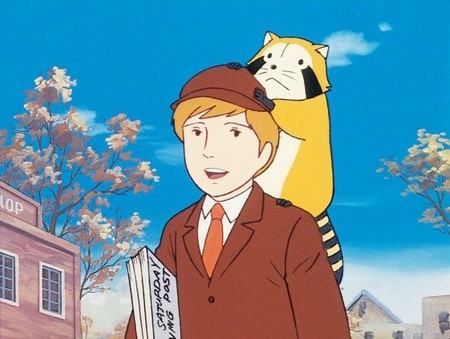
The show not only influenced countless children but also led to a surge in raccoon ownership among Japanese families. From 1977 onwards, the craze spiraled as families started acquiring these animals at an alarming rate of 1,500 copies per week. Unfortunately, Japan had inadvertently welcomed a Trojan horse into its ecosystems, driven by a simple animated series.
The Raccoon Invasion
The consequences of this invasion quickly manifested. As analyzed in an article by Atlas Obscura, Rascal’s representation possibly fueled an ideology of animal liberation. ManyJapanese families soon realized the complexities of keeping a wild animal. Raccoons proved to be aggressive and destructive, leading many to release them back into the wild.
Within years, raccoons had started to proliferate across Japan, ultimately being recorded in 42 out of 47 prefectures. They looted temples, competed with native wildlife such as the tanuki, and caused extensive damage to crops, leading to annual losses estimated at €300,000.
Recognizing the crisis, the Japanese government swiftly banned raccoon imports and imposed penalties on illegal sales. However, the damage was already done, and raccoons continue to exist within Japanese landscapes, thriving despite attempts to contain them. The character of Rascal, blissfully unaware of the chaos his fame instigated, remains a popular icon.
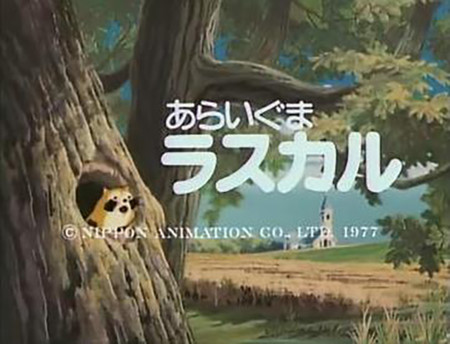
The beginning of the end.
Though raccoons have infiltrated numerous countries worldwide, only in Japan does their saga intertwine with cultural lore and animated narratives.
Raccoons have become nearly impossible to eradicate. As a recent slate article notes, these adaptable creatures thrive in urban areas, easily evading traps and outsmarting any containment measures. Their urban adaptability has turned cities into vast training grounds, enabling them to learn from the obstacles posed by authorities.
As demonstrated in cities like Toronto, even advanced anti-raccoon garbage bins were rendered useless in just two years due to their intelligence and adaptability. Japan certainly understands this raccoon dilemma, thanks to the legacy left by Rascal.
Image | Richard Burlton