
The Silent Crisis of Spanish Reservoirs
In a brief span of 72 hours, Spain’s water reserves have seemingly surged from 693 cubic hectometers to an impressive 2,349 hm³. However, as Greenpeace warns, this apparent abundance is misleading. Beneath the shimmering surface lies a growing accumulation of mud, signaling a troubling reality for the nation’s water infrastructure.
The Declining Efficiency of Reservoirs
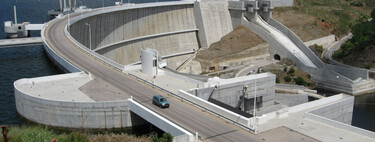
Greenpeace recently issued a stark warning regarding the diminishing operational efficiency of Spanish reservoirs. While the structural integrity of the dams remains sound, the organization highlights a more subtle threat: the decreasing effectiveness of these essential water reservoirs. Built predominantly between 1950 and 1975, many of these structures are nearing the end of their theoretical lifespan, which is estimated to be between 50 and 75 years. The concrete may endure, but the vital steel components—such as valves and drains—are increasingly vulnerable.
The Impact of Erosion and Sedimentation
Recent storms have exacerbated this issue. Extremely intense rains have swept over heavily eroded basins, leading to the influx of soil, stones, and debris into these water bodies. Reports from the Ministry for the Ecological Transition (MITECO) indicate alarming changes in river behavior. For instance, the Ebro River now transports only 0.37 million tons of sediment annually to its delta compared to 5.16 million tons before the construction of dams, which trap the majority of these materials.
A Long-Overdue Reckoning
Experts have raised concerns for years about the inability of aging reservoirs to adapt to contemporary climate conditions. Reservoirs like Villameca (inaugurated in 1946) and Barrios de Luna (1956) were built under assumptions that no longer hold true in today’s landscape of extreme weather variability. The changing climate demands updated technological solutions, yet many facilities remain reliant on outdated systems.
The Threat of Toxic Sludge
The issue of sediment accumulation extends beyond simple capacity limitations; it poses a significant security risk. In Huelva, for instance, heavy rains have led to heightened concerns about toxic sludge in mining ponds. The Military Emergency Unit (UME) has had to prepare for possible disasters due to threats of liquefaction, where solid waste becomes a volatile mixture capable of causing havoc.
Economic Challenges of Cleaning and Restoration
As the reservoirs fill with sediment, one would expect some form of removal process; however, the economic implications make this option nearly impossible. The costs to dredge even a small reservoir range from €50 million to €150 million, often exceeding the investment needed to prevent sediment accumulation in the first place. Pilot tests initiated by MITECO aim to tackle this challenge, but they represent only temporary fixes to a deeply systemic issue.
Reclaiming Natural Spaces
Greenpeace advocates for a shift in focus from concrete solutions to revitalizing surrounding ecosystems. They stress the importance of hydrological and forest restoration where healthy riverbeds and reforested areas act as natural buffers against soil erosion, effectively reducing sediment inflow.
Strategic Planning for the Future
The EU’s Nature Restoration Regulation mandates that Spain develop a comprehensive National Plan by August 2026, representing a crucial window for strategic reform. Julio Barea of Greenpeace emphasizes that without modernizing drainage systems and reforesting river headwaters, any assurance of water security remains an illusion.
The situation calls for immediate action, as the silent decline of Spanish reservoirs continues unchecked, endangering the future availability of this critical resource.