
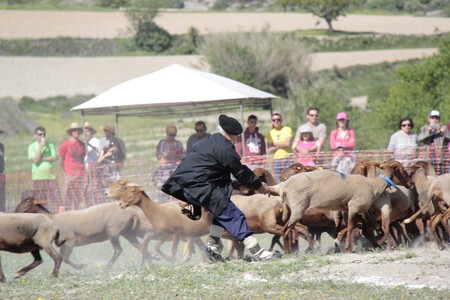
Shepherds: The Modern Guardians Against Fires
“We have to put an end to that thought, when you say that you are a pastor, of ‘poor look what he has to do,'” expresses María Jesús Crespo, a 58-year-old Galician shepherd. With over a decade of experience caring for a flock in Aranga, María Jesús also leads the Association of Sheep and Goat Breeders, Ovica, which has initiated a shepherding school in Galicia.
Breaking Stigmas and Modernizing the Sector
The aim, as Crespo articulates, is to shatter outdated perceptions, modernize the field, and affirm that in 2026, pastoring remains a viable and respectable profession. Just as we have faculties for doctors and engineers, why not for aspiring shepherds?
This innovative initiative, supported by the Galician Government and Fundación La Caixa, seeks to provide future shepherds with essential skills for the 21st century. The curriculum includes not only flock management but also crucial insights into agricultural business practices and technology.
A Comprehensive Training Approach
The program is ambitious, covering a total of 570 hours, with 250 hours focused on theoretical training for a “business-oriented” approach to agrarian practices and 230 hours dedicated to practical experience. Students will gain hands-on experience on farms across nearly twenty rural towns in Ourense, ensuring they are well-prepared for various challenges, including livestock care and emergency responses like wolf attacks.
María Jesús points out that shepherding today requires a diverse set of skills—from traceability and marketing to environmental awareness and animal health. “When we think of shepherds, we imagine someone merely with a stick and a flock. We need to change that perception,” emphasizes the president of Ovica.
The Necessity of Shepherd Training
“It is very necessary,” insists María Jesús. The school is intended not just as an educational formality but as a critical component in professionalizing a vocation that demands more complexity today than it did in previous generations. “School was necessary to prepare individuals for the 21st century,” she underscores.
The Role of Grazing in Environmental Sustainability
But this initiative extends beyond career concerns. Grazing practices are essential to tackling significant national challenges such as rural depopulation and combating forest fires—a pressing issue in Galicia. The Xunta highlights that promoting shepherd training “contributes to creating a natural barrier against forest fires and encourages a managed, productive forest.”
Following the Trend Beyond Galicia
Galicia’s new shepherding school has already garnered interest, with 25 registrations within a week of its announcement. However, it is not the first initiative of its kind in Spain. Similar programs exist in Aragón and Catalonia, aimed to ensure generational change and promote sustainable livestock management.
The establishment of these schools reflects an increasing recognition of the vital role shepherds play in both agriculture and environmental stewardship. As the challenges facing rural areas grow, investing in the education and professional development of shepherds becomes more crucial than ever.
Images | José Antonio Serra (Flickr) and Xavier (Flickr)