
The Emerging Trend of Branded Residences in Spain
Understanding Branded Residences
In the heart of Madrid’s Canalejas Center, a unique concept is taking shape: branded residences. Unlike traditional luxury apartments, these homes offer owners a lifestyle akin to staying in a five-star hotel. The luxurious amenities include 24/7 concierge service, advanced security, and comprehensive maintenance, all courtesy of renowned brands like Four Seasons. This model has gained significant traction globally, experiencing more than a 160% growth in the last decade, with revenues surpassing 30 billion euros.
The Spanish Market: Growth and Projections
As of now, Spain boasts 42 registered projects that will result in 2,168 completed housing units by 2029, according to the Branded Residences Monitor. An additional 1,200 units are projected by 2027, signaling a robust demand for this luxury housing model.
Characteristics of Branded Residences
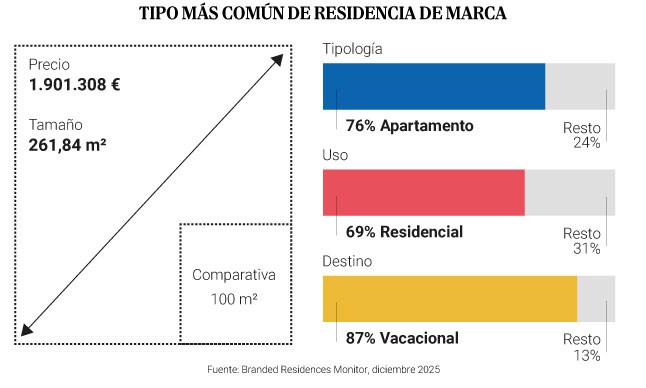
The essence of these luxury apartments lies in their unique blend of private ownership, standardized service, and professional management. While traditional luxury homes often focus solely on aesthetics, branded residences are backed by globally recognized quality and service, setting them apart. Brands like Marriott dominate this sector, holding 79% of the market share, while fashion moguls such as Fendi and Bvlgari are also stepping into the luxury housing arena.
Shifting Consumer Preferences
The demand for branded residences is largely driven by a shift in consumer mentality. As more buyers experience increased purchasing power, many are looking for second homes without the hassle of managing them. As Enrique Lopez Sastre from Caledonian points out, potential buyers appreciate the relief that hotel-level services offer, specifically in regions like Málaga, where 50% of buyers originate from central and northern Europe.
Increased Profitability
Investors are also drawn to these properties due to their profitability. In Spain, branded residences can achieve a premium of 20% to 40% compared to unbranded prime sector properties. Much of this success is location-dependent. The Costa del Sol, for instance, is a hotspot for these developments, accounting for 61.39% of total units in Spain and projected to increase to 93% by 2027.
The Costa del Sol: A Prime Destination
The Costa del Sol is gaining recognition as a top area for branded residences due to its appeal to high-net-worth individuals seeking second homes. The region exemplifies the desirability of a model that emphasizes service and low maintenance, making it an attractive investment.
Flexible Usage and Investment Potential
The branded residence model allows homeowners to easily integrate flexible use dynamics. This allows owners to benefit from a professionally managed rental program when the property is not occupied. Essentially, this leads to what is known as “lock & leave with income”, giving homeowners peace of mind and a return on investment.
Challenges and Considerations
Despite the booming interest in branded residences, factors such as the regulation of tourist rentals and neighborhood coexistence must be taken into account. For instance, in Barcelona, the regulatory environment is rapidly changing, with plans to eliminate tourist licenses by 2028, which could affect the attractiveness of some investment options.
The Risks of Overbranding
Moreover, the luxury market is also facing challenges related to overbranding. Buyers are increasingly sophisticated; if the service does not meet expectations, the property will face a backlash. Ensuring transparent service contracts and clear operational guidelines is crucial to maintaining consumer trust and interest.
Conclusion
As the Spanish luxury real estate market evolves, branded residences offer a compelling option for both homeowners and investors. With their unique blend of high-end services, strategic locations, and robust investment potential, these luxury apartments are not just a trend, but a new standard in upscale living. The coming years will be critical for establishing this market in Spain, and it will be interesting to watch how it develops amidst shifting regulations and consumer preferences.