
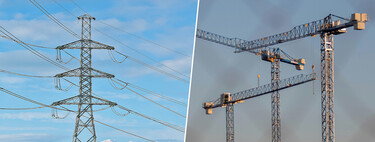
Spain’s Energy Crisis: The Cable Conundrum
Over the last decade, Spain has accelerated the installation of wind and solar farms, especially in “emptied Spain,” positioning itself as Europe’s green laboratory. However, by 2026, the electricity system has encountered a significant challenge: a lack of transport infrastructure. This missing link prevents clean energy generated in rural areas from reaching cities and factories, marking a critical turning point in the country’s renewable energy ambitions.
An Administrative Collapse
The situation is dire. According to reports from The Economist, the Spanish electricity grid has effectively “collapsed,” halting new projects. Current infrastructure cannot accommodate new connection requests, leaving thousands of homes, data centers, and industries in the dark. There are extensive lists of nodes vying for capacity across the country, highlighting a blocking crisis that stretches from Algeciras to Arrigorriaga.
The Anticipated D-Day
The high hopes resting on February 2, 2026, stemmed from the expectation that the National Markets and Competition Commission (CNMC) would release new access capacity maps—essentially a traffic light system indicating where energy consumption is possible. However, this crucial information has been delayed until May 4, 2026, raising concerns about the overall stability and reliability of the electrical infra-structure.
Deeper Problems Emerge
The lack of consensus on energy distribution complicates matters further. The application of new “dynamic criteria” has unveiled that over 9 GW of pre-approved demand may be too fragile to handle voltage fluctuations. Thus, up to 90% of capacity across the transportation network faces restrictions, leaving many stakeholders puzzled and frustrated.
Consequences for Housing and Development
This inability to accommodate energy needs translates into real economic implications. Last year, only 12% of connection requests for new urban projects were granted, putting approximately 350,000 homes at risk. This dilemma underscores that the problem is not merely about land or finances but fundamentally about inadequate electrical supply.
The Battle for Investment
A critical lack of infrastructure investment exists. While the European average is around 70 cents invested in networks for every euro of renewable generation, Spain lags at merely 30 cents. As large electricity companies like Aelec accuse Red Eléctrica (Redeia) of underinvestment, the status of Spain’s electrical grid hangs precariously in the balance.
Interestingly, Redeia has claimed to significantly increase its investment commitments, exceeding €1.5 billion in 2025. Yet, the perceived quality of service remains questionable.
The Rise of Speculation
Compounding the situation, speculation has flourished amid the chaos. The CNMC is initiating a forensic audit to clarify energy access requests, which have soared to 67,100 MW—enough to power half of the nation. This has sparked concerns over potential duplications and “ghost” projects that could block genuine investment opportunities.
Looking Forward: Three Critical Months
As stakeholders brace for a challenging forecast, a temporary truce until May 2026 presents an opportunity for resolution. Key measures include changing substation assignments and streamlining data center operations. However, these solutions come at a cost, as citizens may see increased charges on their electricity bills.
Eroding Trust in Institutions
Amid these developments, a tangible crisis of institutional trust looms. Electricity companies worry that stricter criteria may lead to further disconnections from the net, posing significant risks to businesses that already secured access rights.
Joaquín Coronado recently noted that electricity demand is on the rise, increasing by 3.7% in early January 2026, surpassing official predictions.
A Country Disconnected from Its Future
Spain stands at a precarious crossroads. After considerable efforts to champion green transitions and digital industrialization, the nation now realizes that its energy infrastructure is ill-equipped to support its aspirations. As summed up by experts: plans are commendable, but execution is critical. The upcoming months will not only revolve around technical challenges, but also involve political and economic negotiations about who will be connected to the electric future.
Although Spain is rich in resources like wind and solar energy, without the necessary connections, these advantages may remain untapped.