
The Infrastructure Behind AI: A Tale of Two Giants
In our daily interactions with AI models like Gemini and ChatGPT, we often overlook the immense infrastructure supporting these technologies. As a free user of both, it’s clear that this landscape is far from egalitarian. The AI race is a lucrative long-distance sprint, with companies like Google and Meta equipped to navigate the complexities of this expansion phase. Meanwhile, OpenAI is gradually unveiling its advertising strategies, hinting at a drive for revenue in an otherwise competitive environment.
The Diverging Paths: China vs. the United States
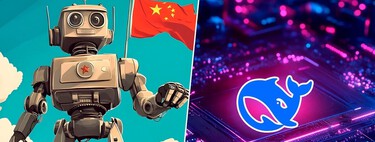
On the other side of the ring lies China, a significant contender in the AI race. The Chinese government has laid out a comprehensive plan to dominate this sector by 2027. The primary driving force for AI development in China is state-led initiatives, whereas the United States thrives on private sector innovation. This fundamental difference underscores two contrasting visions of AI development, each with unique implications for their respective economies.
Investment Trends: A Stark Contrast
The disparity in investment between the two countries is staggering. According to data from China International Capital Corp, venture capital investments in the U.S. reached a remarkable $175 billion. PitchBook goes even further, estimating this figure at $222 billion, equating to roughly two-thirds of startup investments directed towards AI. In sharp contrast, China’s investment hovers around a mere $6 billion, according to the Stanford AI Index Report.
When considering the combined public and private investments, the United States outpaces China significantly with $563 billion compared to $165 billion from China. The underlying expectation of profitability differs greatly between the two; where U.S. private firms chase quick returns, the Chinese government is more focused on strategic sectors like agriculture, as evidenced by the recent launch of their first LLM aimed at farming.
Focus Areas: Chips vs. Data Centers
Investment strategies vary as well. In China, substantial funds are directed toward core technologies, particularly advanced semiconductors. In contrast, U.S. efforts are primarily fixated on building data centers—an intricate process already confronted by infrastructural hurdles. Such differences stem from their unique challenges: China is striving for technological self-sufficiency amid a blockade, while the U.S. grapples with aging energy systems and heightened electricity demand.
The Risk of a Bubble
As AI continues to burgeon, concerns over a potential market bubble loom large. Nobel Prize-winning economist Michael Spence refers to this phenomenon as a “rational bubble,” a state where the cost of losing ground in the competition outweighs the risks associated with overinvestment. SoftBank CEO Masayoshi Son, at the FII Priority Asia forum, argued that AI’s potential contribution to global GDP could counterbalance the trillions spent on AI technologies—an optimistic view that invites scrutiny.
Conclusion: The Future of AI
In summary, the AI race exemplifies the contrasting dynamics between the Chinese government’s strategic push and the U.S. market-driven approach. Each country’s path is laden with potential pitfalls and opportunities, shaping how AI technologies evolve. The stakes are undeniably high, and as the competition intensifies, global implications will undoubtedly surface, affecting not just technology, but our everyday lives.