
Fear of Vibrations Halts Trains on the Madrid-Barcelona Route
Introduction to the Controversy
Recent developments on the Madrid-Barcelona train route have raised concerns about safety and operational protocols. Adif, Spain’s railway infrastructure manager, announced a reduction in maximum speed for a 150-kilometer section of this route to 160 km/h following the derailment incident in Adamuz, Córdoba. As train operators take proactive measures to enhance safety, passengers are left navigating a realm of uncertainty.
Why Train Speeds Are Being Reduced
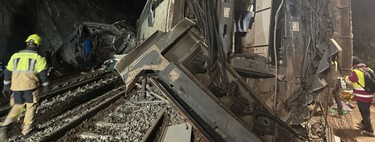
The decision to limit train speeds to 230 km/h on a segment designed for 300 km/h has led to heated discussions among stakeholders. Reportedly, train drivers have taken the initiative to slow down due to “excessive vibrations,” which significantly compromise the comfort of travel. This proactive measure comes after the tragic Adamuz incident, where an Iryo train derailed and collided with an approaching Alvia train.
According to sources like The Economist, this speed reduction primarily affects Renfe trains, with no similar guidance issued for Ouigo or Iryo services. Renfe has also been communicating with passengers about potential delays of up to 15 minutes, a situation that remains unconfirmed by official statements from the company.
Can Train Drivers Unilaterally Reduce Speed?
Since speed adjustment directly impacts operational safety, the Spanish Union of Railway Machinists (SEMAF) has been queried on whether machinists are making unilateral speed reductions. According to SEMAF, no consensus has been reached among train operators to slow down trains officially. Each machinist retains the authority to adjust speed based on individual assessments of track conditions.
SEMAF has emphasized the inherent rights of drivers to reduce speed or halt the train if vibrations hinder safe driving conditions. Some train operators have indicated that speed reductions were already commonplace prior to the noted incident involving Talgo’s S-106 (Avril) trains.
The Ongoing Calatayud Controversy
The section between Madrid and Calatayud has been a focal point for tension over the last few months. In July 2025, the Talgo AVRIL trains experienced structural cracks, largely attributed to the vibrations created while traversing the tracks. This led Renfe to withdraw these particular trains from the Madrid-Barcelona line, ceasing the AVLO service altogether. Consequently, blame has fluctuated between Talgo and Adif, each party defending their respective roles in the controversy.
Understanding the Vibration Problem
Vibrations experienced during train travel can stem from imperfections in the tracks or the trains themselves. As SEMAF explains, the interaction of “steel against steel” magnifies any small inconsistencies, creating a vicious cycle that escalates structural wear. If a tiny flaw is left unresolved, it exacerbates over time, similar to a pothole in a road that gradually worsens with repeated use.
Safety Measures in Place
Despite these vibrations being a nuisance to travelers, safety measures are reportedly functioning effectively. Drivers are required to complete incident reports, noting any excessive wear on the tracks or train components. This documentation forms the backbone of tracking the condition of infrastructure and ensures necessary steps are taken for maintenance.
Although no direct link between these vibrations and the Adamuz accident has been established, both SEMAF and train drivers affirm their dedication to ensuring passenger safety. They maintain that if any sign of a true danger emerges, immediate action—including halting operations—would be taken.
Conclusion
The unfolding situation regarding vibrations on the Madrid-Barcelona train route underscores the complexity of balancing operational efficiency with safety. While driver discretion plays a crucial role in ensuring safe travel, the ongoing controversies highlight the pressing need for infrastructural investment and maintenance to enhance the overall experience for passengers. As the situation evolves, stakeholders continue to scrutinize the implications of these changes on the future of rail travel in Spain.