
Reduction of Speed on the Madrid-Barcelona AVE Route
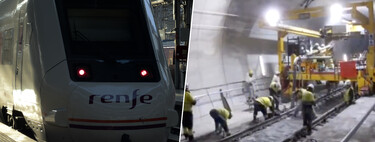
Months of warnings from train drivers about deteriorating track conditions have prompted Adif to reduce the maximum speed on the Madrid-Barcelona high-speed train to 160 km/h over a 150-kilometer stretch of the 667-kilometer route. This decision was announced amid the distressing backdrop of the recent Adamuz train accident, which has raised serious safety concerns across Spain’s railway network.
Context of the Speed Reduction
This temporary measure comes in light of multiple complaints from train operators reporting that excessive vibrations and potholes were hindering comfort and safety during travel. The announcement was made following assessments of track conditions and driver feedback, emphasizing the immediate need for action to ensure passenger safety.
The Adamuz Train Accident
Last Sunday, a catastrophic incident occurred when an Iryo train derailed near Adamuz, followed closely by a collision with an Alvia train traveling in the opposite direction. The tragic outcome has left 41 confirmed dead, intensifying scrutiny on the safety standards of high-speed rail services in Spain.
Despite the gravity of the situation, the precise causes of the Adamuz accident remain undetermined. Speculations suggest a possible defective switch, stressed rail lines, and mechanical vibrations, but no official conclusion has yet been released.
Ongoing Concerns in the Madrid-Barcelona Route
For months, train drivers have noted significant issues that have prevented them from safely operating at maximum speeds, which were formerly set at 300 km/h. Excessive vibrations have been a common theme, not just among operators but also passengers. A Renfe driver reported that crew members had lodged numerous complaints, describing uncomfortable situations where “we are hitting boats” due to the state of the track.
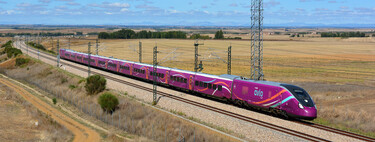
The Spanish Union of Railway Machinists (SEMAF) has corroborated these claims, indicating a notable deterioration of the tracks necessitating a reduction in operating speeds. This situation became even more controversial last summer when the Talgo Avril trains sustained cracks, leading to a blame game between Talgo and Adif.
Understanding the Implications
SEMAF representatives assert that while vibrations negatively impact running comfort and the lifespan of train components, they do not perceive an immediate risk of derailment. The General Council of Industrial Engineers further supports this notion, emphasizing that such vibrations are accounted for in the design of infrastructure and rolling stock, operating within broad safety margins.
A driver from the network shared that safety protocols are stringent; if any signals indicate potential danger, operators immediately take measures, including speed reductions—a process they have been following even before this latest directive.

Future Considerations
The speed reduction marks a significant reaction from Adif post-Adamuz disaster and raises questions about the future maintenance and investment in Spain’s AVE rail network. As rescue operations continue and details about the accident emerge, the railway authority will need to evaluate whether additional measures are necessary to ensure safety and regain public trust.
In conclusion, the situation highlights critical infrastructure issues that must be addressed urgently. With the high-speed rail service being a crucial component of Spain’s transport system, fostering safety and reliability is of utmost importance.
Photo by André Marques on Wikimedia