

In 2012, Hurricane Sandy devastated the Caribbean Sea and reached the coast of New York. Amidst the chaos, spectacular photos emerged, yet one particular image went viral for all the wrong reasons—it was fake. This incident highlights a troubling trend: significant events often generate a deluge of content, much of it misleading or entirely false.
Previously, crafting convincing images and videos was a task reserved for advanced users of software like Photoshop or Final Cut. However, AI has transformed this landscape, making it easier than ever to create realistic but fabricated content.
The Rise of Deepfakes
Recently, the Kamchatka Peninsula in Russia experienced a record snowfall, dubbed the “snow apocalypse.” While many real images circulated, others—curiously glamorous yet fabricated—were also shared widely on social media. Residents posted their experiences, but several images turned out to be AI-generated, leading to confusion and misinformation.
Linus Ekenstam, an influencer known for sharing news regarding AI, recently claimed a viral video was genuine—only for it to later be identified as AI-generated. What makes deepfakes especially unnerving? They often look convincing, intertwining genuine elements with fabricated ones, making it challenging to discern truth from deception.
Visual Deception
In Kamchatka, unusual visuals reminiscent of a dystopian movie flooded the internet. While superficially coherent, a deeper inspection revealed discrepancies, suggesting that these images were not authentic. Traditional media outlets shared less sensational but more genuine content, contrasting sharply with the dramatisation prevalent on social platforms.
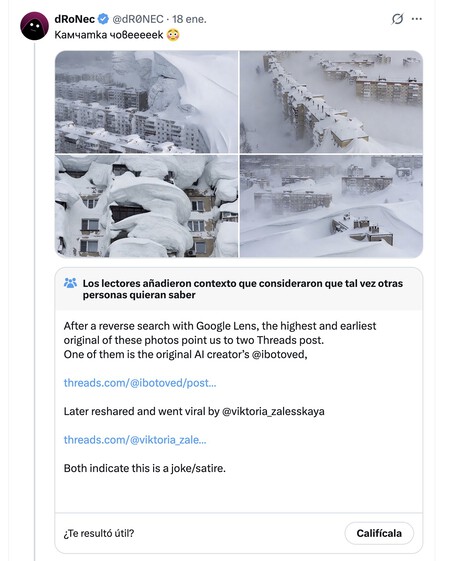
Even reputable sources have unwittingly shared AI-generated content, mistaking it for real footage. This incident highlights the slippery slope of misinformation in an age where visual authenticity can no longer be taken for granted.
The Cognitive Trap of Misinformation
Various psychological phenomena explain why we fall for such fabrications. These include:
- Confirmation Bias: We tend to accept information that aligns with our pre-existing beliefs while scrutinizing contradictory data.
- Illusory Truth Effect: Repetition can create a false sense of credibility, wherein images seen multiple times feel inherently true.
- Perceptual Realism: We trust visuals more than words; a striking image often carries more weight than any text accompanying it.
- Cognitive Load: An overload of information leads to shortcuts in thinking, causing us to believe in easy, sensational narratives rather than critically assessing them.
As technology evolves, so does its capacity to manipulate reality. AI-generated content, often sensational and emotionally charged, exploits these biases, luring audiences into believing what they see must be true.

In a world awash with misinformation, the best approach is to maintain a healthy skepticism toward what we encounter online. As the landscape of digital media continues to evolve, we must arm ourselves with the critical thinking needed to navigate and discern what is real from what is mere illusion.