
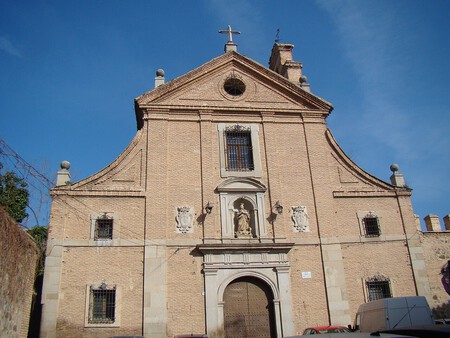
Shortage of Housing Supply in Toledo
Toledo is facing a significant housing supply shortage in its historic center, where the demand for flats contrasts sharply with the approximately 150 abandoned buildings within the area. This residential conundrum has prompted innovative solutions, with two convents stepping up to address the problem by converting portions of their premises into rental apartments.
Addressing Multiple Issues
Toledo’s strategy seeks to tackle three intertwined challenges: the scarcity of long-term rentals, the presence of numerous abandoned structures, and the financial sustainability of religious orders maintaining these properties. Currently, only 50 apartments are available for lease in the historical center, a significant portion of which are designated as seasonal rentals. For those seeking long-term accommodations, the number dwindles to just 33 units.
The Role of Abandoned Buildings
A recent assessment revealed that the Consortium of the City of Toledo identified 150 abandoned buildings within the historic district, some of which are in a state of disrepair. Many religious orders face similar pressures, struggling to generate income sufficient for maintaining their premises or addressing urgent repairs, such as those needed for the Discalced Carmelites’ convent, severely affected by a storm in 2023.
Innovative Solutions through Renovation
To capitalize on these challenges, the Toledo Consortium is initiating plans to revamp these vacant spaces. The focus is to convert convent areas into homes that cater primarily to the long-term rental market, which currently faces considerable pressure due to tourism-driven demands.
Recent Developments
In November, plans were approved to renovate two convents — the Discalced Carmelites and the Convent of the Immaculate Conception (also known as Nasturtiums). Together, they will provide a minimum of four new homes. The initiative is seen as an opportunity to revitalize disused heritage sites while simultaneously providing affordable housing options for young residents.
Future Plans and Funding
The Consortium aims to extend this initiative beyond the initial four apartments. They envision potentially creating up to a dozen residences, depending on budgetary factors and the cooperation of the religious orders. These renovations will include essential services such as parking, enhancing the living experience in the heart of Toledo.
Ethical Rental Practices
A unique aspect of this initiative is the approach to rental ethics. Unlike traditional municipal housing projects, there will be no set rental cap for these new homes. Instead, the religious organizations will determine rental prices. However, the guiding principle is that these properties will not be converted into tourist accommodations, a prevalent trend among some religious institutions elsewhere in Spain.
Specifications of the New Homes
Planned apartments will vary in size, typically ranging from 37 to 60 square meters. They will comply with regulations governing the historic center of Toledo, featuring one to two rooms to accommodate a variety of living arrangements.
Conclusion
Toledo’s outreach to repurpose its convents is a forward-thinking approach to address multiple urban challenges at once. By effectively utilizing existing infrastructure while maintaining a commitment to ethical rental practices, the city is setting a precedent for creative solutions in urban development.