
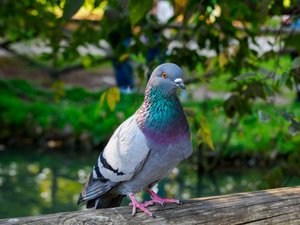
A volunteer from the London Wildlife Protection association was violently arrested by eleven police officers on January 7 in Wealdstone Square in Harrow, near London, after feeding pigeons. The scene, filmed and broadcast on social networks, sparked a lively controversy over the proportionality of the intervention.
In many London parks, feeding pigeons is banned to stem overpopulation of the birds and prevent the spread of disease. According to The Mirror, a woman was arrested and handcuffed in the street for trying to feed these birds.
Feeding Pigeons in London: A Controversial Practice
On January 7, this woman went to Wealdstone Square in Harrow, near London, where she regularly feeds the birds. While her intentions might have seemed innocent, the local regulations have deemed such actions illegal in an effort to control the population of pigeons and curb potential health risks associated with overabundance.
An “Unjust and Shameful Act”
Things escalated quickly for this woman. She was reportedly stopped by a dozen police officers who arrived to conduct an identity check. Rather than cooperating, she resisted, which led to her being handcuffed and forcibly escorted away from the scene. This incident, captured on video and circulated widely on social media, ignited a public outcry.
London Wildlife Protection released a statement condemning the police’s actions, labeling them as “unjust and shameful.” They expressed their determination to pursue formal complaints and possible legal action against the police. “This shocking video shows a deeply disturbing incident where eleven police officers arrested one of our volunteers in Harrow, simply because she was feeding and caring for pigeons,” they stated.
Police Justification and Public Response
The police defended their actions by stating that the woman “obstinately refused to provide her personal information.” She was arrested on suspicion of contravening Article 50, which mandates that individuals must provide their identity and address when stopped by the police. Ultimately, the woman was fined €115 after her time at the police station.
This incident has raised critical questions about law enforcement’s response to seemingly innocuous acts of kindness, such as feeding birds. Many argue that labeling such behavior as a criminal act is excessive and disproportionate. The robust police intervention has triggered a broader discussion about the regulatory framework surrounding wildlife and how it intersects with community engagement.
Conclusion: Legal Ramifications and Community Impact
The controversy surrounding this incident may lead to future debates not only about wildlife conservation but also about civil liberties and community rights. As this case progresses, its implications could resonate far beyond Harrow, potentially impacting how laws are enforced regarding wildlife throughout London and beyond.
Ultimately, this event highlights the delicate balance between public health concerns and individual freedoms, stirring an ongoing discourse on the role of law enforcement in community affairs.