
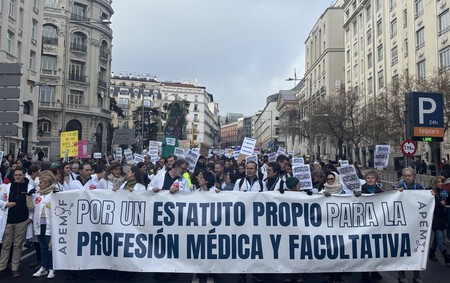
Spanish Doctors on Strike: Demands and Challenges
2026 has opened with thousands of Spanish doctors marching for improved working conditions. This strike, called by the Professional Group for a Medical and Faculty Statute (APEMYF), highlights three critical issues: guards, salaries, and working hours. Despite being one of the highest-paid professions in Spain, doctors face significant challenges that have prompted this upheaval.
Understanding the Struggles
To comprehend the reasons behind this strike, we must delve into the day-to-day lives of doctors. Although they enjoy relatively high salaries—averaging around 54,200 euros gross per year—the demands of the job often overshadow the financial benefits. Exhausting shifts and high-stress environments are common, with many professionals working excessive hours that affect their physical and mental health.
The Call for a Specific Statute
APEMYF’s primary demand is for a specific statute for doctors that meets their unique needs. While a “framework statute” for healthcare personnel has been negotiated, doctors insist their concerns—like guard management, remuneration, and hours—must be explicitly addressed in a distinctive agreement. This call is not unfounded; approximately 60% of Spanish doctors endure 24-hour shifts, causing significant burnout and dissatisfaction.
The Renowned 24-Hour Shift Issue
One of the most contentious topics is the practice of 24-hour shifts. These shifts can lead to overwhelming stress and fatigue, adversely impacting patient care. Although recent proposals aim to reduce shift lengths to 17 hours, many within the medical community are skeptical, fearing loopholes will allow for continued long hours under certain conditions. Moreover, they argue that these long hours should be compensated appropriately and contribute to retirement plans.
Public Perception vs. Reality of Salaries
While it’s true that Spanish doctors are among the highest-paid professionals relative to other sectors (with average earnings significantly above the national average), this doesn’t reflect the full picture. Salary can vary widely based on experience, specialty, and geographic location, with some doctors feeling grossly underpaid relative to the high demands of their roles. For instance, the range of salaries can start as low as 19,000 euros for new residents and go up to 72,000 euros or more for seasoned professionals.
Advocating for Fair Work Conditions
Despite the decent salaries, doctors emphasize the need for fair compensation for on-call duty. Many in the profession are advocating for a recognition of on-call hours as part of their regular working time, ensuring they are compensated fairly for all hours worked, not just those logged on standard shifts. As highlighted in their demonstrations, they call for the abolition of 24-hour shifts and better recognition of their valuable time.
The Bottom Line: Seeking Change
The push for better working conditions among Spanish doctors is not merely about salary; it is about recognition and respect for their profession. By striking, they hope to highlight the critical issues they face daily within the healthcare system and push for reforms that will benefit not just themselves but ultimately their patients as well.
With everything on the table—from overdue work-hour reforms to the urgent need for a specific statute—this strike is poised not just to change doctor’s lives but potentially improve public healthcare in Spain.