
Telefónica’s Negotiations with Zegona
According to Populi Voice, Telefónica has initiated discussions with Zegona to acquire Vodafone Spain, aiming to finalize the transaction by mid-2026. The timing of these negotiations raises questions as they follow months of speculation, which hints at the urgency from Telefónica’s side.
The Problem of Delay
The reality is that arriving late to the negotiation table has a steep price. Two years ago, Zegona purchased Vodafone Spain for around €5 billion, inheriting what was essentially a troubled asset. At that time, Vodafone’s Spanish operation was caught in a challenging market position, being the third operator in a lineup of four.
- It struggled between the size of Telefónica and the nimbleness of low-cost competitors.
- The existing network demanded constant investment to remain competitive.
- Furthermore, it carried a tarnished reputation due to years of customer complaints.
For Vodafone, Spain was a financial burden, while Zegona recognized the potential hidden within mismanagement, viewing it as a poorly managed gold mine.
Zegona’s Prosperity
In just two years, Zegona has demonstrated the merits of its acquisition. The fund has returned €1.4 billion in dividends to shareholders—an impressive 28% of Vodafone Spain’s payout. It has also significantly reduced the number of shares in circulation by 69%, leading to a current market capitalization of about €3.6 billion.
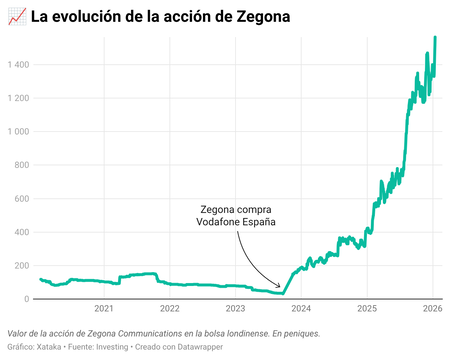
Shareholders have seen spectacular returns, with stock prices increasing from 345p at the time of acquisition to over 1,565p today— a staggering 4.5 times increase in just two years.
Vodafone Spain presently generates around €4.5 billion in annual revenue and has become a profitable entity under Zegona’s management, free from the bureaucratic inertia often associated with global corporations.
Telefónica’s Weakening Position
Telefónica finds itself in a precarious negotiating position. The company requires this acquisition to maintain its relevance as the leader in the Spanish telecommunications market. Recent layoffs of 4,500 staff underline the urgency Telefónica faces. The company’s shares have fallen by 27% since late October, illustrating its declining market strength.
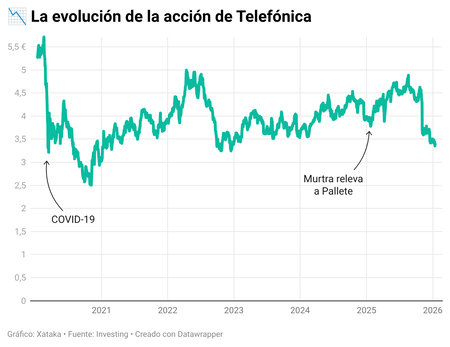
In contrast, Zegona’s current market value has notably surged. The disparity in their positions means Telefónica is negotiating under pressure, which eliminates flexibility concerning the price of the deal.
The Stakes of the Negotiation
The price for Vodafone Spain could fluctuate between an estimated €2 billion to €7 billion above its potential purchase cost in earlier years. This places Zegona in a commanding position; they can afford to wait and use their leverage to extract better terms.
Telefónica, on the other hand, faces a necessity rather than opportunity in pushing forward the acquisition, as consolidation within the European telecommunications sector looms. The potential creation of a giant entity controlling over 45% of the Spanish market stands on the horizon, promising significant cost savings but inviting regulatory scrutiny.
The conclusion is clear: Zegona holds the upper hand in this negotiation while Telefónica must act quickly to remain competitive.