
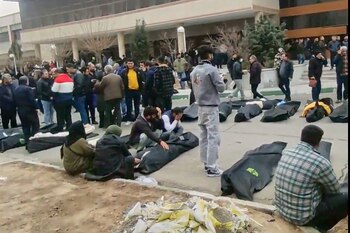
The Iranian Regime Acknowledges 2,000 Deaths in Protest Suppression
On January 13, 2026, the Iranian regime admitted to approximately 2,000 fatalities amidst violent suppression of widespread protests. This acknowledgment marks a significant moment in the escalating crisis facing Iran, with authorities attributing the deaths to “terrorists” and alleging foreign intervention by the U.S. and Israel, as discontent grows over the country’s serious economic issues.
U.S. Economic Sanctions Intensified
In response to the ongoing violence, U.S. President Donald Trump announced a 25% tariff on any nation engaging in trade with Iran. This measure, described as “definitive,” was communicated via Trump’s platform, Truth Social. On the same day, the Human Rights Activists News Agency reported that over 648 individuals had died and more than 10,600 had been detained during two weeks of protests.
Spain’s Diplomatic Action
In light of the turmoil, Spain summoned the Iranian ambassador to express condemnation for the brutal suppression of protests. Spanish Foreign Minister José Manuel Albares emphasized the need to respect the rights of Iranians to peaceful protests and called for an end to arbitrary arrests. Notably, about 10,000 individuals have been detained according to human rights organizations, and the Iranian regime’s admission of around 2,000 deaths during these disturbances underscores the severity of the situation.
Proposed European Sanctions
European Commission President Ursula von der Leyen classified the rising death toll as “horrifying” and vowed to propose new sanctions against Iran as a response. Her stern statement condemned the excessive use of force and ongoing restrictions on freedom within the nation. The planned sanctions aim to hold accountable those responsible for the crackdown.
Rising Fear and Determination Among Iranians
Reports from Iranian citizens who managed to communicate outside the country showcased a mix of fear and determination to continue protests. Many expressed skepticism regarding foreign intervention, with some expressing hope for a future without oppressive governance. Witnesses described scenes of destruction in Tehran, reflecting the intensity of the crackdown, which included strong security presence and damaged public property.
Calls for Action Against Suppression
Reza Pahlavi, the exiled son of the former Shah of Iran, claimed that thousands of military and police personnel abstained from participation in the crackdown. He attributed this to the resilience of the protest movement and called upon internet specialists to disrupt state systems. His accusations emphasize the regime’s use of fear through violence and communication shutdowns to stifle dissent.
Conclusion: The Regime’s Future at Stake
German Chancellor Friedrich Merz suggested that the Iranian regime is in its “last days,” maintaining power only through violence. He stressed the lack of legitimacy of current leadership, as they have not been elected by the people. Given the prevailing unrest, there is a strong call for a peaceful transition towards a democratic government in Iran.
As the situation unfolds, the world watches with bated breath, hoping for peaceful resolutions amidst a backdrop of escalating violence and repression in Iran.