
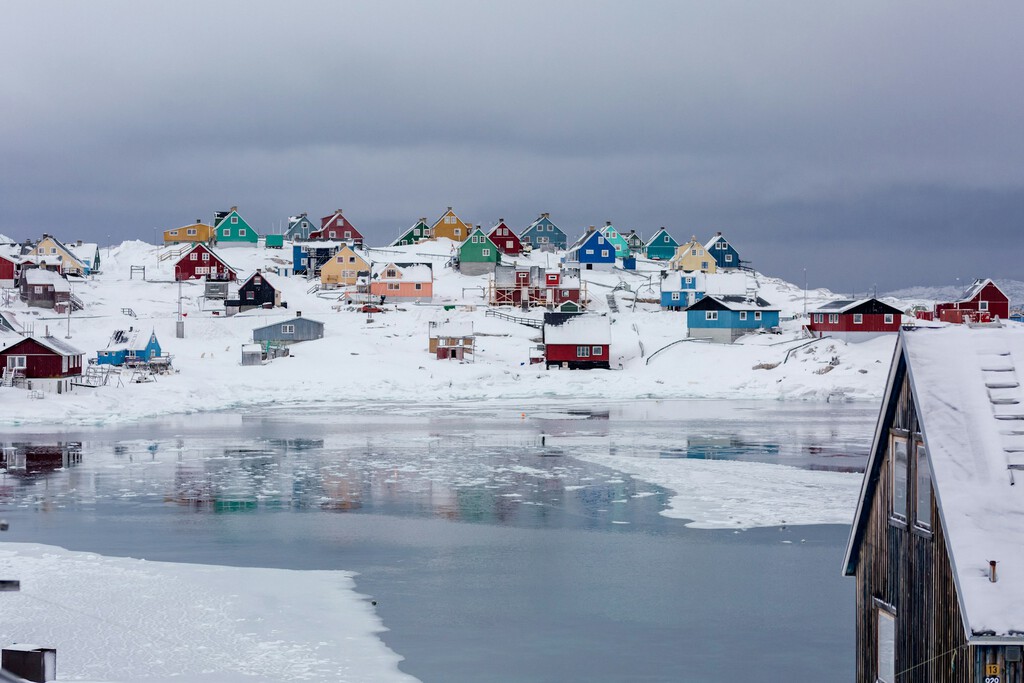
Greenland is often envisioned as a vast, frigid expanse, predominantly shrouded in ice. Unfortunately, recent research has revealed alarming news: the Greenland ice sheet is far more vulnerable than previously understood, raising significant environmental concerns.
The Foundation of an Ice Dome
The revelations this time originate from a groundbreaking study conducted in Prudhoe Dome, where scientists drilled deep—over 500 meters—into ice. Their analysis indicated that this massive ice dome completely melted away just 7,000 years ago, only to reemerge later. The stark revelation is that the climatic conditions responsible for this past collapse closely resemble those we expect by the year 2100.
Understanding the GreenDrill Project
This pioneering research, published in Nature, utilized a technique called infrared stimulated luminescence for analysis. By delving into sediments beneath Prudhoe Dome, the scientists established timelines indicating that these layers of ice were devoid of sunlight exposure between 6,000 and 8,200 years ago. In simpler terms, a significant dome of ice was absent during this period—signifying a worrying trend.
The Holocene Thermal Maximum
The climatic crisis during the Holocene Thermal Maximum saw Arctic temperatures soaring between 3 to 5 °C above pre-industrial levels. This climatic anomaly effectively led to the melting of vast ice structures. The implications are daunting: the temperature ranges projected for this century are alarmingly similar to those experienced thousands of years ago.
The Implications of Historical Trends
As these conditions evolve, much more than just local ecosystems are at stake. If the Greenland ice sheet were to completely melt, global sea levels could rise by approximately 7.3 meters. While this event is not imminent, the rate of melting could accelerate more rapidly than currently anticipated, leading to catastrophic consequences over the coming centuries.
Shifting Perspectives on Greenland’s Ice
Traditionally viewed as resilient, the research indicates that even substantial ice domes such as Prudhoe Dome can vanish within geological timeframes. The ability to re-examine these established beliefs is critical as we brace for potential climatic shifts.
As our understanding deepens about these ancient ice formations, we must grapple with the knowledge that the ice we see today is not a permanent fixture but rather a fragile remnant of our planet’s climatic history. It serves as a reminder that without urgent action and meaningful reductions in greenhouse gas emissions, we risk repeating the mistakes of the past.
Images | Visit Greenland