
Linus Torvalds: The Architect of Linux and the Future of Programming
Linus Torvalds, the visionary behind the Linux kernel, recently embarked on an intriguing personal project during the holiday season: an application intended to generate digital audio effects, aptly named AudioNoise. This endeavor is captivating in its own right, but what stands out even more is Torvalds’ approach to programming this application.
Linus Tries Vibe Coding
In a revealing moment shared on GitHub, Torvalds noted a surprising turn in his programming journey. He stated,
“Also keep in mind that the Python visualization tool was basically written using vibe-coding. I know more about analog filters (which isn’t saying much) than I do Python. I started with my typical ‘Google it and copy what I see’ way of programming, but then I cut out the middleman (myself) and used Google Antigravity to create the audio sample viewer.”
This candid admission reflects the reality of programming today—combining personal ingenuity with the vast resources available online.
The Best Programmer Programs Like Any Other
It’s refreshing to hear the most significant programmer in history admitting his “Google and copy” strategy for coding. This approach, often dismissed as mere imitation, highlights a fundamental aspect of programming—solving problems by learning from the work of others. It is a practice that even the industry’s leading minds embrace, proving that innovation often stems from adaptation.
AI Can Help: The Role of Antigravity
The major revelation from Torvalds came when he revealed that the visualization tool in his project wasn’t solely his creation. He utilized the Google tool, Antigravity, an Integrated Development Environment (IDE) that allows users to collaborate seamlessly with advanced tools like Gemini 3, Claude Sonnet, and Opus 4.5. This resource has rapidly become a favorite, particularly among budding developers who lack extensive coding knowledge.
This viewer has been programmed by Linus Torvalds. Or rather, Antigravity controlled by Linus Torvalds.
Testing AudioNoise
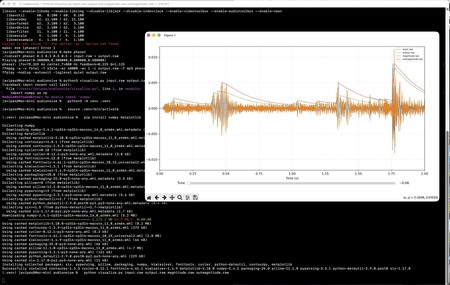
Curious to explore the capabilities of Torvalds’ viewer, the team at Xataka cloned the GitHub repository and employed Claude Code to navigate the project. With minor adjustments, they successfully tested the application using a small audio file. AudioNoise implements several digital audio effects—including phaser, echo, flanger, fm, and discont—while also offering visualizations that compare original and processed audio waveforms.
Subsurface Capture
Linus’ Other Projects
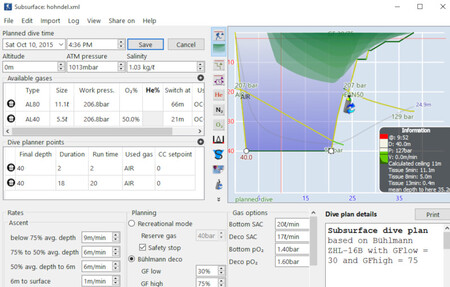
While Torvalds is chiefly known for his work on the Linux kernel, he has also ventured into independent projects. Last year, he developed guitar pedal software, and in 2011, he initiated the creation of Subsurface, an application designed for scuba diving enthusiasts—a hobby he admires deeply.
AI Is a Tool: Perspectives from Torvalds
In a recent conversation on the Linus Tech Tips YouTube channel, Torvalds articulated his view on AI, stating:
“AI will be a tool, and it will make people more productive. I think vibe coding is great for getting people into programming. I think [the generated code] is going to be a horrible thing to maintain… so I don’t think programmers will disappear. You still want to have people who know how to maintain the result.”
Conclusion: The Future of AI in Programming
This perspective aligns perfectly with his approach to AudioNoise. For small projects, AI tools like Antigravity can indeed be advantageous, simplifying the coding process. However, he emphasizes that the complexities of larger projects—such as those pertaining to Linux—will require human oversight to ensure integrity and accuracy.
As technology evolves, it’s crucial for both new and seasoned programmers to adapt and integrate these modern tools into their workflow, maintaining the delicate balance between automation and human ingenuity.
Image | TED Conference
In Xataka | Bill Gates and Linus Torvalds had been rivals for 30 years. Interestingly, they just met and took a memorable selfie.