
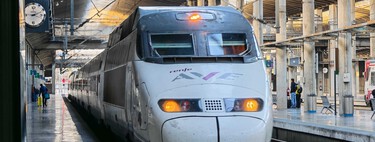
Renfe’s Chaotic Yet Record-Breaking Year in 2025
Renfe has navigated one of its most tumultuous years in 2025. The company faced unprecedented competition, experienced significant delays due to both train and infrastructure failures, and dealt with incidents like the cracking of Talgo trains and fires that blocked its most lucrative routes.
A Record-Breaking Achievement Amidst Chaos
Despite these challenges, Renfe achieved a remarkable milestone. 37.3 million passengers traveled on AVE and long-distance Renfe trains, marking a 6% increase from the previous year’s total of 35.2 million. This surge indicates that even during its most chaotic year, Renfe has successfully moved more people than ever before.
Key Data from 2025
The Ministry of Transport and Sustainable Mobility reports that the bulk of these trips were conducted on AVE trains, which reached a new record of 21.5 million trips, an increase of one million travelers from the previous year. Meanwhile, AVLO, a competing service, saw significant growth, rising from 4.55 million passengers in 2024 to 6.2 million in 2025.
Passenger Volume by Corridor
According to the data, the most traveled corridor remains Madrid-Barcelona, ending in Figueres, with a steady 8.1 million passengers. The Levante and Mediterranean corridor, connecting Madrid to the Valencian Community and Murcia, showed the most significant growth, soaring from 5.5 million trips to 7.7 million. Additionally, travel in Andalusia increased from 6.9 million to 7.2 million.
However, the corridor with the highest passenger increase was the Madrid-Castilla y León-Galicia route, which jumped from 2.5 million to 4.6 million travelers.
Concerns about Passenger Loss
While the overall numbers appear promising, Renfe has not clarified how many passengers it may have lost on other lines. For instance, the specifics regarding the Extremadura corridor remain undisclosed. The statement does mention an overall increase of 2.1 million passengers across high-speed and long-distance lines, including notable gains but not addressing potential losses elsewhere.
The Challenges of 2025
Even with record passenger counts, the year was marked by significant upheaval. Renfe is now obligated to provide refunds for delays exceeding 15 minutes, a move that could impact ticket prices in the future. Furthermore, numerous travelers have reported persistent breakdowns and delays, particularly in the Cercanías services, which compelled Renfe to allocate €400 million to enhancements in Madrid.
Positive Shifts in Public Transport
Amidst these challenges, there have been notable positives for Renfe. The sustained increase in passengers affirms that trains can effectively compete with air travel, especially when high-speed services are reliable. Furthermore, the company continues to lead passenger numbers across multiple corridors, and travelers can now take advantage of a new flat-rate ticket for 60 euros, covering all medium and long-distance trains.
Conclusion
In summary, while Renfe’s 2025 was riddled with hardships, the data reflects a resilient service that continues to grow. The ability to transport more passengers than ever, alongside new consumer protections, suggests that Renfe is adapting to both challenges and opportunities in the evolving landscape of Spanish public transport.