
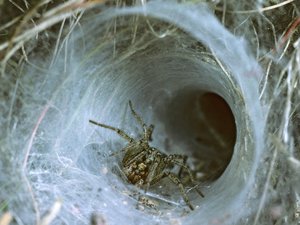
Chilean Recluse Spider: A New Menace in Europe
The Chilean recluse spider (Loxosceles laeta), one of the world’s most venomous spiders, has made its debut in Europe, specifically in Portugal. This alarming discovery was first reported in September 2025 when a specimen was identified on a wall in Campo dos Mártires da Pátria, Porto. A second encounter in January 2026 confirmed its establishment in the area, prompting scientists and authorities to enhance monitoring efforts.
Background: Origin and Characteristics
Native to Chile, Argentina, and Brazil, the Chilean recluse is infamous for its dangerous venom, which can lead to severe medical complications, including significant skin lesions that may require intensive treatment. As noted by The Portugal News, cases of bites have been reported with alarming consequences, signifying the urgency for awareness and proper handling.
Concerning Discoveries: Two Sightings in Quick Succession
The dual discoveries of the Chilean recluse within months highlight a serious concern for local ecosystems and public health. The first specimen was spotted on a wall, and the second entangled in a sticky trap, reinforcing the need for vigilant surveillance. Researchers hypothesize that accidental introductions via international trade may explain its unexpected presence in Portugal.
Nature of the Species: Discreet Yet Dangerous
Despite its potential for danger, experts are keen to offer reassurance about the Chilean recluse. Known for its elusive behavior, this spider tends to avoid human contact, thereby reducing the likelihood of bites. Nevertheless, local authorities are intensifying monitoring in Porto and examining whether the spider has spread to other areas of Portugal. Continued research will be essential in understanding its distribution and impact.
Misidentification: Confusing with Native Species
It is crucial to differentiate the Chilean recluse from the Mediterranean recluse, which is already a part of the European fauna. Recent reports indicate a case where a Portuguese woman spent 16 days hospitalized due to complications from a Mediterranean recluse bite, underscoring the seriousness of spider bites in the region. Her experience, marked by extensive skin necrosis and complications, serves as a stark reminder of the potential hazards associated with recluse spiders.
Conclusion: Increased Monitoring Required
In light of this new introduction, there is an increasing need for public awareness and safety measures. Investigations are ongoing to ascertain the full extent of the Chilean recluse’s presence and whether further actions must be taken to prevent its proliferation in Portugal and beyond. Given the serious implications of its venom and the potential for bites, understanding this species is paramount for ensuring public safety.