
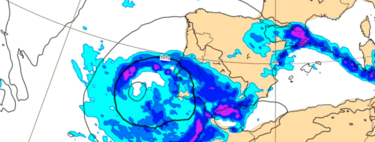
A Weekend of Devastation in Southeast Spain
Málaga, Granada, Murcia, and the south of the Valencian Community faced severe flooding, resulting in deaths and evacuations over a dire weekend. Local communities are still grappling with the aftermath, as reports indicate that in some areas of the southeast conditions may worsen further.
Residents are feeling the strain, with one local from Cartama (Málaga) expressing, «”I feel like selling everything and leaving town: the rains are increasingly torrential.”» The emotional toll of natural disasters can lead to drastic decisions as communities seek relief from relentless weather.
Calm and Cold Ahead for the New Year
As we transition into the New Year, a stark weather contrast is expected. According to forecasts, the region will experience a cold start, characterized by a robust anticyclone that brings fog and frost. Fortunately, rain is predicted to be absent except in specific areas of the south/east and the Balearic Islands, making for a relatively dry New Year’s Eve.
Potential Changes in Weather Patterns
Weather models indicate that a shift could occur as we enter the New Year. Experts are analyzing trends that suggest a possible change in atmospheric patterns.
What Does the Atlantic Ridge Mean for Spain?
A change of pattern? According to meteorologist Duncan Wingen, the rise of the Atlantic ridge towards Iceland and Greenland could affect regional weather. This atmospheric dynamic, referred to as the “Atlantic ridge,” is a bulge of high pressure that diverts westward currents.
The implications for Spain of such a shift can vary widely. Depending on its placement, the Atlantic ridge can:
- Close the Atlantic corridor, leading to stable, dry, and cold conditions.
- Facilitate the entry of cold air from the north, resulting in colder temperatures and potential snowfall.
- Open storm corridors, leading to incoming Atlantic fronts, bringing rain and milder weather.
What Should Be Expected Going Forward?
The situation remains uncertain, as the Atlantic ridge may play a crucial role in dictating weather across southern Europe in the upcoming weeks. Monitoring this phenomenon closely will be essential for accurate forecasting.
Current Euro-Atlantic regimes can influence temperatures, energy demand, and weather alerts, making the Atlantic ridge a significant factor in our climatic puzzle. For now, it implies that residents may expect more wintery conditions as we delve deeper into January.
The unpredictability of such weather phenomena underscores the challenges faced by local communities. As they recover from the recent calamities, the hope for a more stable weather pattern remains paramount.
Image Credit: PolarWx
In Xataka: La Niña is expected to be meteorologically “less intense” than anticipated, which could obscure underlying challenges.